Ending one Successful Series to Create Another
By Jeannée Sacken
In my first series, photojournalist Annie Hawkins was frequently on assignment in Afghanistan and finding ways to keep the passion burning with her lover Finn Cerelli. After finishing three books, the characters were living in my head. They’d talk endlessly to me, with Cerelli often choosing to sit on the bench in my shower to chat. But eventually the series was complete, and I was ready to move on. First, though, if I wanted to write a new book, I had to get Annie and Cerelli, Mel and Sawyer out of my head. The last thing I wanted was a story with basically the same characters. A simple name change wouldn’t be enough. There had to be major differences between Annie and my new protagonist Julia Wilde. So, I made five resolutions for my next novel:
- I would set the story in the United States;
- My main character wouldn’t be a photographer;
- There wouldn’t be any romantic interludes;
- I would write a standalone instead of another series; and
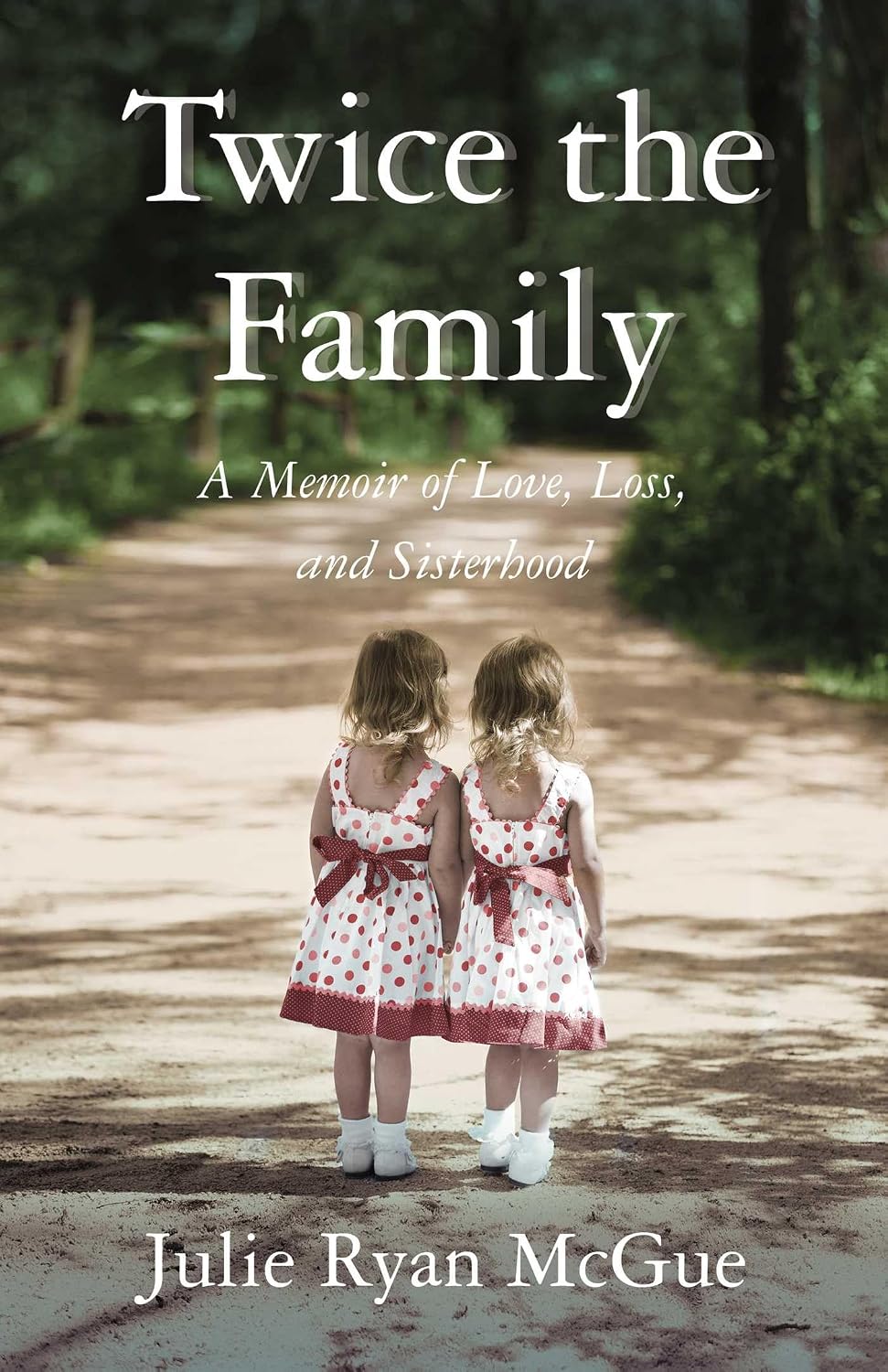
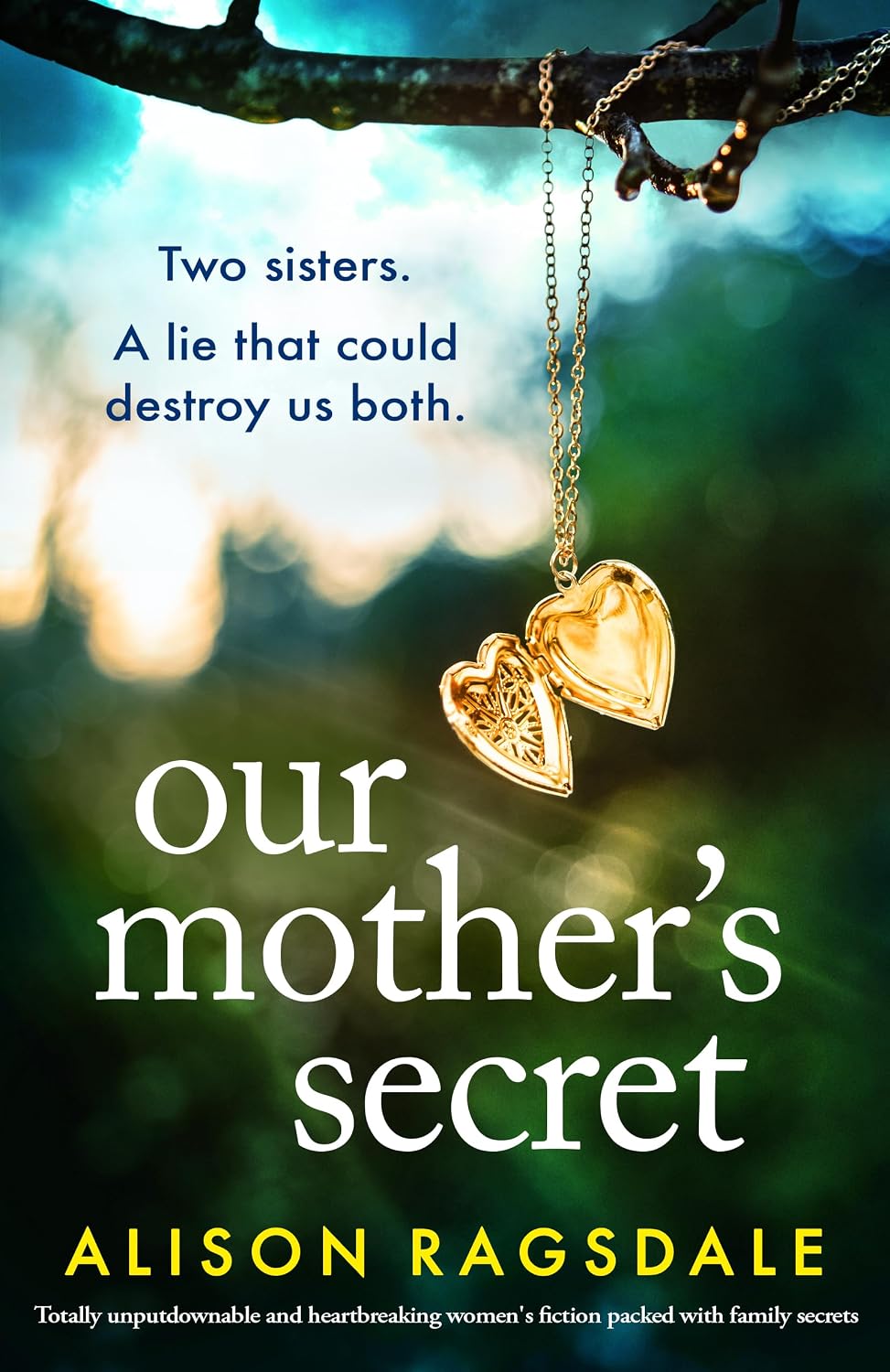
- However much I love the covers of the Annie Hawkins Series, I’d work with the designer to create something new and distinctive.
I let my resolutions spin and spin and spin as I plotted out my new novel. And pretty quickly, I abandoned most of them.
I would set the story in the United States. I figured this was a good idea because it would be easier to sell to a publisher and to readers than another multicultural story. Besides which, it made sense to set a book in a place I know well: the United States. This would let me cut way down on the amount of research I’d need to do.
I jettisoned this resolution early on as soon as I decided to write a story involving the Mambas, an all-female and very fierce anti-poaching unit working in Zimbabwe’s national parks. These courageous women fight to keep endangered species safe from marauding poaches who kill relentlessly to harvest elephants’ ivory tusks and rhinos’ keratin horns for the black market. Not exactly the United States, but I rationalized that setting the story in Zimbabwe wouldn’t really be a problem, considering my numerous photoshoots there. After all my visits, I know the country fairly well. And anything I didn’t know, I could check online or during one of my assignments in-country. Or simply ask my Zimbabwean friends.
So, Zimbabwe it was. I quickly came to learn, however, that spending a lot of time in a place isn’t quite the same as setting a novel there. Oh, the tiny, everyday details I needed to know but never took note of while I was there, and there were tons of them. A great deal of research ensued.
My main character wouldn’t be a photographer. I absolutely did not want to re-create Annie Hawkins. But, as it turned out, Julia Wilde does work with a camera. She’s a cinematographer who shoots wildlife films.
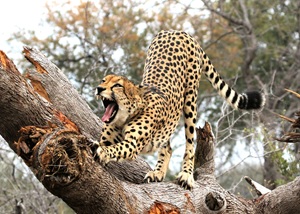
Cheetah stretching, photo by Jeannée Sacken
Okay, so maybe having a cinematographer instead of a photojournalist is splitting hairs. I mean they both carry cameras. But this was the perfect way to have an American woman create a documentary about the Mambas in their ongoing fight against poachers. Also, to be true to my own heart (full disclosure: I photograph endangered wildlife), I wanted to have extended metaphors of wildlife interactions throughout the book, and Julia filming them was the perfect way to accomplish that.
But Julia has more to her character than working as a cinematographer, Like Annie, she’s divorced. Unlike Annie, however, Julia is blacklisted from her career for reasons that become clear in the book. Initially, she pursues an alternative career until she fights to return to cinematography.
There wouldn’t be any romantic interludes. I confess that I love touches of romance in novels. And, I loved receiving fan mail about Finn Cerelli. Readers told me he was their favorite book boyfriend. Readers also begged me to write them into a book so they could have an affair with Cerelli. But this time around, I was going to have Julia Wilde stand on her own. No romance.
That didn’t last long. Enter Colin Tremblay, a former British Special Forces officer who works with the Mambas in Hwange National Park. He disabused me of the “no romance” notion by chapter thirteen. I countered his argument, allowing him to be in the book, but making him a thorn in Julia’s side, a real problem, someone she didn’t like and could barely tolerate.
He may have started out that way, but Colin most definitely had other ideas. And he gives Cerelli a run for his money.
I would write a standalone. I was adamant about this. One and done. No discussion. It would be the best way to distinguish Julia Wilde from Annie Hawkins.
This resolution lasted the longest. Until, that is, my writing partner and beta readers told me what for: “This is a series. Deal with it!” They were right. And unlike with the Annie Hawkins Series, I wrote the first two Julia Wilde books back-to-back, so they fit together without a wrinkle. No retrofitting needed.
 Leaving one series behind to create another taught me first and foremost to tell the story. Don’t impose any artificial authorial restraints. This is much more important than any of the resolutions I dreamed up and then discarded. Create a story that speaks to your heart—set the story in a place you love. Then, follow the story and the characters where they want to go.
New and distinctive cover art. I loved the cover art for the Annie Hawkins Series. Each cover is bright, distinctive, and they fit together well. It’s clear each book is part of the series.
But to avoid confusing my wonderful readers, I needed something new. A different design, different colors, and a totally different look. As it turned out, this was the one resolution to which I adhered. My fabulous designer and I opted against the bold, graphic look for something more photographic with colors that reflect an African sunset—where the book is set. And hidden on the front cover, the attentive reader can find a lion and some elephants, animals that also make appearances throughout the story.
And so, I’d like to introduce The Women Who Stand Between:
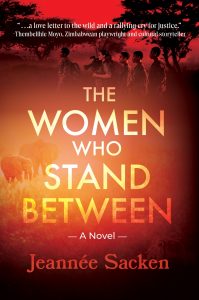 Julia Wilde is one of the best wildlife cinematographers in the business. But while on location in southern Africa, she finds herself unfairly blamed for an accident that leaves several crew members dead. Blacklisted by the movie industry, she takes a job in the film department at a Midwestern university only to discover that tenure depends on her making a movie.
With a small crew of talented filmmaking friends in tow, Julia heads to Zimbabwe to make a documentary about the Mambas—a fierce, all-female, anti-poaching unit who risk their lives every day to protect endangered species.
But as Julia soon learns, being behind the lens is no protection from poachers who will do whatever it takes to protect their business and keep this movie from seeing the light of day.
Advance Reviews:
“Pitch-perfect from the first chapter to the very last page, Sacken bares her soul amidst the breathtaking beauty of Africa, where both man and beast prove treacherous. The Women Who Stand Between is fraught with tension and danger. And a passion so strong it transcends continents. A must-read.” Barbara Conrey – USA Today bestselling author of Nowhere Near Goodbye
“As a Zimbabwean, I felt seen and respected in these pages. Sacken writes with careful sensitivity, highlighting the strength of our local communities and the often-overlooked heroines—like the Mambas, Zimbabwe’s real-life female anti-poaching unit—who are reclaiming their place in history. This is not a tale of Western saviourism. It’s a story of solidarity, resilience, and sisterhood told with grit, grace, and empathy.” Thembelihle Moyo, Zimbabwean playwright and cultural storyteller
“With heart-pounding suspense, richly drawn characters, and a stunning African backdrop, this novel is a gripping thriller, a testament to strong women and their choices, and a powerful tribute to those who fight for what’s wild and worth saving.” Patricia Sands, bestselling author of The Secrets We Hide
BUY HERE
Author Bio:
A former English professor, Jeannée Sacken is now a photojournalist who travels to the ends of the earth, documenting the lives of women and children. She also photographs wildlife and is deeply committed to the conservation of endangered species. Described by MKE Lifestyle magazine as “Indiana Jones with a camera,” Jeannée has summitted Mr. Kilimanjaro, canoed the Zambezi River, kayaked the North Pacific, and drive through far-western Mongolia in a blizzard. Many of her adventures have been fictionalized into her novels. Her debut novel, Behind the Lens, the first book in the Annie Hawkins Series, has won numerous awards, including American Writing Awards Novel of the Year and The Hawthorne Prize. The Rule of Thirds won the International Global Book Awards Book of the Year and the Killer Nashville Silver Falchion Award for Best Suspense. The Women Who Stand Between is the first novel in the Julia Wilde Series and launches on September 16, 2025. Available wherever books and ebooks are sold. Follow Jeannée at jeanneesacken.com.
Category: On Writing
Subscribe
If you enjoyed this article, subscribe to receive more just like it.