Mid-Life Writers Can Survive Perimenopause
By Alexandra Addams
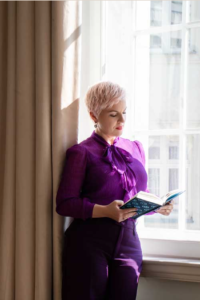 As a mid-life, female novelist with a completed manuscript clutched in your sweaty hand, you face many challenges to get that book out in the world. You took your sweet time with the writing and now you love it. Then you edited the darn thing for umpteenth revisions until finally you were ready to query literary agents. When that didn’t work, you also stared querying independent publishing houses (who take un-repped writers).
Then you realised the whole process was taking longer than you thought so you’d better start writing that second novel anyway. Guess what? This next novel will be so much easier to write. You’ve got more story skills, you understand the craft of writing better, and this time your story idea is solid, you know just where to start and finish it. You go back to the desk to get cracking and that’s when it hits you…
Peri-freaking-menopause.
When I began writing my book, The Self-Made Saint, five years ago, I was 42 and arrogantly thought I was qualified to tell the stories of women in their late fifties and sixties. Since then, I have fallen headlong into the dark depths of perimenopause. Today I just wonder how in the hell I had the audacity to assume I understood anything about the shit show that is getting older as a woman. I’m here to tell you, the rollercoaster of chaos never stops.
It must be said that I’m a bit of a health nut and a research nerd. So, how did I not know what was waiting for me? My perimenopause symptoms arrived in a confusing mess when I’d just turned 45 and by 46 I felt like I’d dropped off a cliff into the Lost Land of week-long brain fogs, sudden fits of intense anxiety while driving, and interminable insomnia to name but a few symptoms.
Was my brain melting?
No, don’t worry. It was the beginning of the chemical revolution of perimenopause settling in 7-10 years as some before my body had bothered to stop its reproductive cycle.
At the time, I had no idea that perimenopause was going to cause such dramatic changes to my brain and body chemistry. The sort of changes that made me look in the mirror and not recognize who was looking back. Unfortunately for me, perimenopause also coincided with another amazing change in my life as my adult kids started flying the nest. Now with only two older teenagers at home, I finally had all that time to write that I’d previously dreamed of. It just sucked that my brain function had also escaped my control.
The lack of sleep was annoying, but I’d had five babies, so it wasn’t a shocker. The rapid weight gain was alarming, but I still had pants stretchy enough to fit my growing butt. For me, it was the functional freeze which was terrifying. Frozen, mind blank, I would sit at my desk not writing anything for hours on end. Those hours usually became days. Sometimes those days became weeks. At the times that I could form sentences and fill a few pages; the work was lack lustre and unusable. In a word, crap. I persevered because being a writer is everything I am. I live and breathe words. But this freeze kept my brain rigid and the words just couldn’t flow. If I couldn’t write something beautiful, who was I anymore?
Panic sent me to scour the internet for solutions. A short search convinced me I was going to die, painfully and soon. Obviously, rubbish. A quick survey of some dear friends pointed me in the direction of the gynaecologist whom I hadn’t visited since the last baby was born fifteen years ago (I know, I know). He immediately diagnosed the problem for me and recommended a wholistic approach to my firm request to “let’s get me my brain back!”. I started on a few helpful supplements and gels but the real change for me came with a change in diet.
I don’t want to disappoint (and I hope this isn’t the case for you, as we are all different) but part of the solution was giving up sugar and booze. My two delicious and most wonderful vices. But dropping them totally, immediately gave my brain a boost of much needed energy. I began sleeping better. My moods were more stable during the day, with no more wild rushes of debilitating horror reflecting on all the evil in the world. I had my brain, if not totally back, it was definitely within reach when I needed it again.
I have tested and re-tested my findings, believe me. Giving up my nightly martini and my Sunday night whiskey just seemed like too great a sacrifice. Not to mention the plummeting sales of Lindts’ dark chocolate at my local supermarket (just kidding!). However, once I got back to the desk, I’ve since stayed there working on my new craft draft. The Muse is once more shouting ideas (along with my Inner Critic, she didn’t go anywhere of course), the characters come walking into my mind fully formed, and I can finally dream in stories again.
If no one has told you, I’m here to say it: you’re not going mad, and you aren’t suddenly a terrible writer. It’s that bitch, perimenopause.
To all my writers, if your work means something and you know it’s worth fighting for, then make the changes that you need to. Some as difficult as diet or simply adding in a few specific (to you) supplements and definitely getting some decent sleep. And you better believe I’m writing all my female characters with peri and menopause symptoms in the future. Good luck to you and good luck to all of us!
The Self-Made Saint by Alexandra Addams (High Frequency Press, £15) is available from all good book retailers https://alexandraaddams.com/ Insta @AAddamsWrites.
THE SELF-MADE SAINT
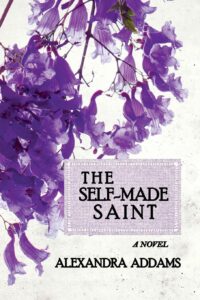 Judith Drainger has always played life by her own rules. But these days life seems to be playing her right back.
Divorced, orphaned and forcibly retired, 59-year-old Judith is determined to seize the opportunity to leave her broken home in London and move across the world to Australia. Here she reunites with her estranged adult daughter Cassandra – only to land smack bang in the emotional quagmire of her daughter’s anger and abandonment issues. To make matters worse, Judith can see her new granddaughter Emily has a serious health issue, but her offers of help are ignored and rejected.
When an accident knocks her off her feet, Judith is swamped by the kindly care of her nosy new neighbours. Yet, when given a chance to become a part of their community, Judith shocks even herself by making a series of unforgivable blunders. Realizing if she’s to have any hope of reuniting her family, well-meaning but stubborn curmudgeon Judith must learn the power of saying ‘sorry’ – and what it actually means to be a good person.
Addams’ skilful and subtle storytelling weaves this contemporary comedic family drama around her convincing characters. Readers won’t be able to resist falling in love with Judith, despite her many relatable flaws.
BUY HERE
—
Alexandra Addams is an Australian writer living in Switzerland. She has five children and they bring her both the great joy and intense angst required to write novels. Her debut, The Self-Made Saint, was inspired by watching her children grow to adulthood and discovering there is no parenting ‘finish line’ to cross, you never get your trophy for participation, and you never stop being a mother.
Find out more: www.alexandraaddams.com
Category: On Writing
Subscribe
If you enjoyed this article, subscribe to receive more just like it.