An Author List with a Diverse Twist by Jessica Mudditt
 For the past two and a half years, I’ve been running an experiment. I’ve said yes to publishing almost every manuscript that has landed on my desk.
Many in the traditional publishing industry would turn their noses up at this. As a publisher, shouldn’t I be wading through the volumes of submissions sent by hopeful writers and literary agents, only to reject the vast majority of what I read?
As someone who was on the receiving end of rejections for years, the idea of sowing disappointment throughout the writing community does not appeal. Self-publishing my memoir enriched my life. So when I founded Hembury Books in 2023, I wanted to be an enabler. I wanted to be the person who said yes.
I’m a publisher, but I’m not a gatekeeper of ideas. I believe that if someone puts in the hard work to complete a manuscript, they have the right to publish it – and that it deserves to have the same polish as a traditionally published title.
My approach to publishing is not simply altruistic. I believe that what makes a great read is subjective and predicting what will sell is a fool’s errand. Our business model is based on authors investing in the costs of publishing their book (and then retaining all their royalties), so it would be madness for me to turn away business. We publish all genres and are open to working with authors from all around the world.
When I launched Hembury Books, I had no idea what kinds of books we would be publishing. To be honest, I just hoped that there would be enough to keep my startup afloat.
The results of this ‘experiment’ have stunned me. Contrary to my previous assumption, good writing is not rare. If a person writes their story with honesty, vulnerability and a lack of pretension, their book will be an enjoyable read. Choosing one out of a thousand manuscripts seems like even more of a travesty now that I know this.
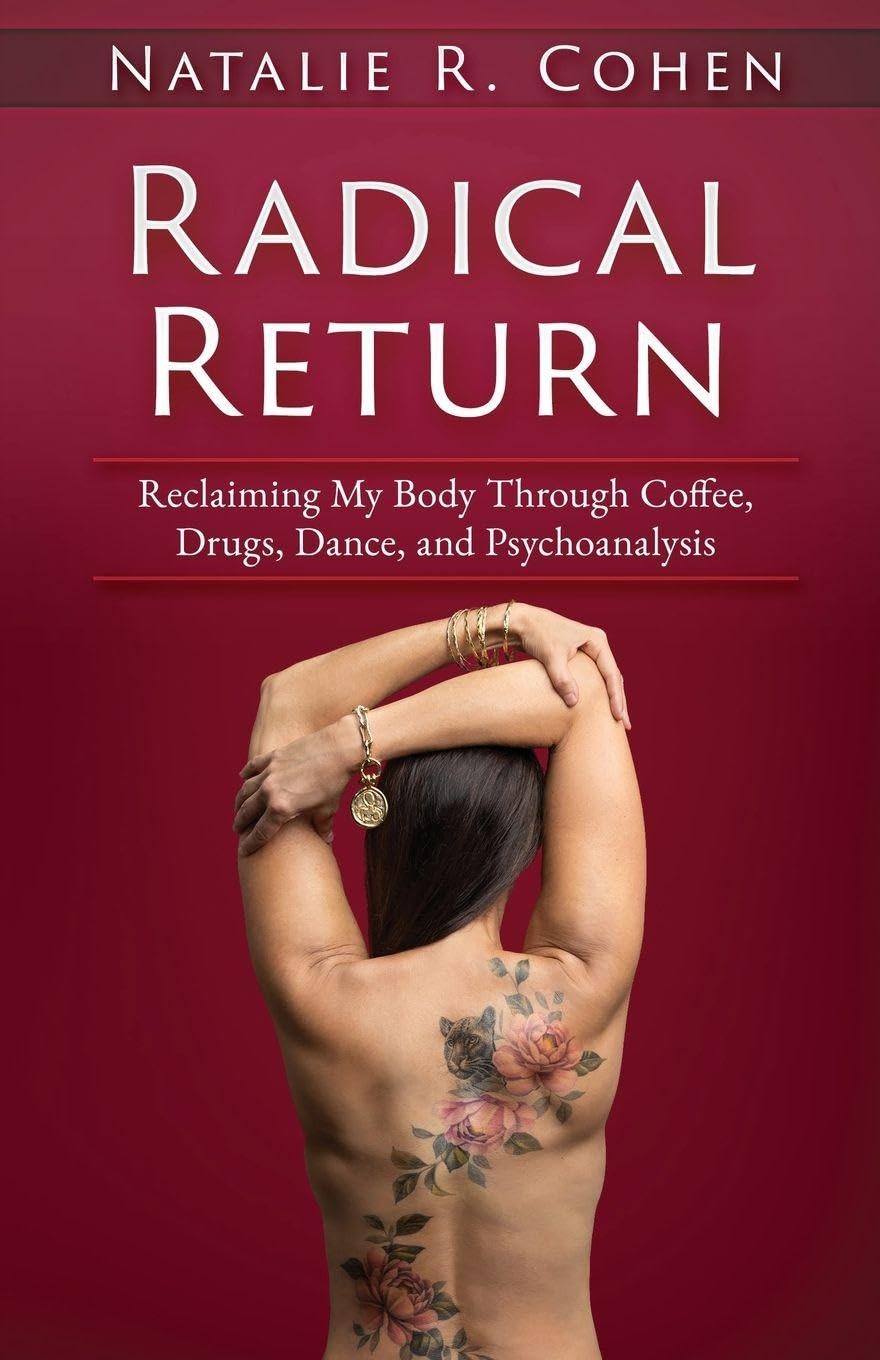
What really excites me is the sheer diversity of books that spring from a green light publishing policy. At Hembury Books, our youngest author is ten and the eldest is 91. We have a fairly even split of men and women, with slightly more female authors than male. However, the diversity in our author list is not limited to age or gender, as the books currently in production can attest.
There is a memoir called Mostly Ups by para-triathlete Kerryn Harvey, who lost her entire arm and shoulder after she contracted a flesh-eating bacteria 12 years ago. Her book describes life as an amputee in Australia and her return to elite sport.
We have a business book called Your Team Kneads You by Tosan Jemide, who is known as the ‘African cake maestro.’ He built a baking empire in Nigeria and is a guest judge on this season of MasterChef Nigeria.
Beryl Segers is a well-known South African author who is publishing two books with Hembury: a psychological thriller called Silent Tracks and a collection of essays by South Africans who moved to Australia to escape the repression of apartheid.
Forty-seven-year-old Deborah Stamp has early onset dementia and multiple sclerosis. Her brother Mike is funding the publication of an anthology of her early writing, which is called A Feline Logic. Before her illness, Deborah was a prodigious talent and her book spans 110,000 words.
We are working with Protestant nuns from the Evangelical Sisterhood of Mary to publish two books by the late founder of their global organisation, Mother Basilea Schlink. Sister Anayah and Sister Elpida are excited to release the first English translation of My All For Him, which was originally written in German, as well as a never-before published guide to Communion called Broken for You, Shed for You.
Tami Lou Castillo has written a memoir called The Mould Maker about being raised in California in the 1970s. After her parents’ divorce, her father Roy began a downward spiral and their relationship was often fraught. Tami Lou learned that her father yearned to become a female, and when he entered his sixties he made the transition. Connie Beavers was one of the first people in California to have her name and gender changed on her birth certificate.
We have an author writing under a pen name about the cruelty she endured as a child in Malaysia being raised by her grandparents, and then at the hands of her mother as a teenager in Australia.
There is also Dr Ali Sherazi Raza from Pakistan, a bestselling author and social media influencer with 6.5 million followers. He began his life as a street kid and wound up with a PhD and two books to his name.
Jalil Makhoul started handwriting his manuscript in 1975, not long after he arrived in Australia from Lebanon. He doesn’t use the internet, so we meet him in person every two weeks and print everything out for him to check over. We also transcribed his five handwritten bound books.
We have an erotica novelist called A.M. Jaxon, who is on the cusp of publishing her fourth book with us, Deeply. A woman of many talents, A.M. Jaxon is about to head off to the Netherlands to coach Australia’s Masters hockey team. Another multi-talented author is Antony Simich, who is a pilot at an international flag carrier and the author of an aviation thriller called Final Descent.
Our two youngest authors are doing fantastically well with their published books. Ten-year-old Lucas Ocean Gallagher wrote The Brilliant Brain Club about how ADHD and anxiety can actually be a superpower. Thirteen-year-old Maya Ahmed has been giving author talks and even a TV interview about her sci-fi novel, Operation R.A.D. There has been strong interest from the media for both books.
This diversity is all the more splendid when we consider the lack of diversity that has plagued the publishing industry for decades.
“Despite the awareness generated in recent years of the Anglophone publishing sectors being predominantly white, the industry continues to be overwhelmingly homogenous. The most recent numbers indicate that white employees account for almost three-quarters of the workforce in Australia and North America and 83% in the UK,” according to a 2026 article in Grattan Street Press.
“[As a result] stories outside the dominant Western cultural lens are often labelled as ‘niche’, even when they speak to millions of people from other cultures who might fall outside of the Anglophone sphere. This framing can influence acquisition decisions and lead to many manuscripts by Authors of Colour (AOCs) to be overlooked in favour of what in-house editors perceive as ‘mainstream’ selections.”
At the start of this article, I said that I had published “most” books. There have been a handful of occasions when I have declined to publish a book. It wasn’t because I felt that it should not exist. It was because the author seemed as though they would be very unpleasant to work with. The only other caveat is in our publishing contract: Hembury Books reserves the right not to publish a book that could be deemed harmful or offensive. So far, we have not received any written work that would invoke this clause.
Some in the establishment may call us a ‘vanity publisher.’ I call it democractising access to becoming an author.
I only wish more books were presented to me.
—
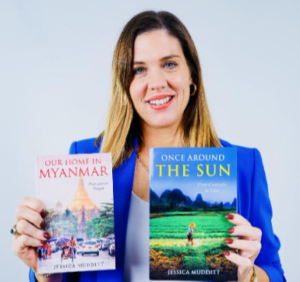
Jessica Mudditt is the founder and CEO of Hembury Books, a hybrid publisher in Sydney. She is also the author of two memoirs, Our Home in Myanmar and Once Around the Sun – From Cambodia to Tibet. Jessica is a former freelance journalist whose articles have been published by Forbes, BBC, GQ, CNN and Marie Claire, among others.
Category: On Writing
Subscribe
If you enjoyed this article, subscribe to receive more just like it.