How I Learned to Write the Story Only I Could Tell
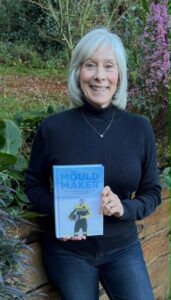 When I committed myself ten years ago to write my memoir, The Mould Maker, about my relationship with my transgender father. I had to figure out how to set up a sustainable practice for, what was to me, a mammoth task. For most accomplished writers I know and have read about, the common advice is to write everyday. Even if that means getting up at 5am and writing for two hours, then going about your daily routine. I knew this approach was not sustainable for me, but I could work part-time and dedicate two days a week to writing and that’s what I did. As soon as my son went off to school, I’d run upstairs and write the common writer’s goal of a thousand words per day.
Often, I could get out two thousand words. This took the first part of the day, then I’d take a lunch break or go for a run, then come back and edit my day’s worth of writing. This became a sustainable practice for me and the key to my success in writing and publishing The Mould Maker was knowing the parameters under which I could write for the long term.
Writing such a personal memoir and attempting such a large manuscript, I knew I needed structure, but also freedom. To obtain both, I first started with the memories that were dying to be told, so I did not write my chapters in any particular order to begin with. I was afraid of staring at a blank page, so how do I start? Other questions arose like what could I use to ground me, keep me tethered to shape my story? How do I drill down and tease out the complex feelings of not only a father/daughter relationship, but one that encompasses profound change?
I went to the inspiration I found in other’s stories. With a background as a high school English teacher, an avid reader and a lover of words and writing prompts, I went back to what I knew, literature. I’d think about how I felt about a particular memory I was going to write about, then identify a favourite passage from a piece of literature (typically novels or short stories) that struck the same feeling when I’d read it, that my memory evoked in me.
I’d write or type a quote at the top of my page. These quotes served as a container to shape my writing. I often circled back to the quote’s meaning or feeling in some way at the end of the chapter for coherency.
Using this approach during the generative writing process allowed me to not only see what others have felt, but it also drove me to dig deep to find my truth in the feeling of that memory. Later on, when I had a completed manuscript and a fairly solid structure in place, I went back and removed all the quotes. This was very difficult for me, a ‘kill your darlings’ moment.
So, I cut them out and pasted them into a word document with the title of each chapter, just in case. Funnily enough, I found that removing the quotes made my writing better, because I was no longer relying on the quote to provide meaning at the start. In each edit without the quote, I was nudged to be clearer in what I was trying to say. I may have been writing about something we all feel, but I had to shape my writing around my unique experience.
I love including quotes at the start of a piece of writing as it links me to what others have felt in their own stories and helps me shape my own thoughts. I love removing the quotes because it forces me to clarify how my particular feelings were experienced. This writing process allowed me to connect to humanity through story and it gave me the guidance and freedom to express my private feelings and truths in my memoir, which in turn is my gift to humanity.
—
The Mould Maker: The Connie Beavers story: A life of secrecy, courage and transformation
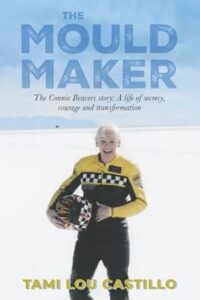 I looked up in wonder at the domes lining the ceiling of the Cinerama theatre, so proud my dad was their maker. The mould maker.
Tami Lou grows up longing to be close to her father, only to watch him drift further into the self-destructive storm of a long-held secret. Through multi-day absences, divorce and remarriage, Tami Lou continues to follow her dad, willing to share him with his new family so long as she gets her share.
But when his unreliability descends into reckless ambitions, bankruptcy and near-homelessness, Tami Lou has to accept that he may never become the father she longs for.
Thirty years later, Tami Lou is finally let into her father’s secret life: where Roy once stood, now there is Connie.
Roy spent his life creating moulds for beautiful things yet was never able to do the same for himself. Connie is a woman finally comfortable in her own skin after sixty years in the wrong body.
But can Connie’s courage in becoming the person she truly is heal decades worth of hurt between parent and child? Or is it too late?
This is the story of a daughter’s search for her authentic father and the unconditional love that shapes us – if only we allow it.
BUY HERE
Tami Lou Castillo is a global educator who has been teaching in secondary classrooms and universities across the US and Australia for thirty years. Tami’s first foray as an author was writing a book chapter titled ‘Mastering Environment and Sustainability’ in a scholarly collaboration between Monash University Library and La Trobe University Library around curriculums, libraries and student learning. Following this, she embarked on a personal writing journey leading to her debut memoir, The Mould Maker. She was in part inspired to write by her parent, Connie, who was one of the first persons in California to have her name and gender changed on her birth certificate. When she’s not writing, Tami enjoys running on forest trails, riding bikes with her husband, Peter, traveling and of course, reading.
Category: How To and Tips
Subscribe
If you enjoyed this article, subscribe to receive more just like it.