The Voices in my Stories
By Tracey Lee
 While I don’t write about the women in my family I am definitely inspired by them. I don’t write about their lives but find their tenacity and hopefulness woven into the fabric of my characters. I come from a long line of survivors and their voices call to me as I create the narratives in the books I write.
Most recently I discovered my 6th great grandmother was a convict on the First Fleet and that she was buried just twenty kilometres from where I grew up in Launceston. I knew nothing of her, nor that she lay quietly waiting for discovery so close to home. Elizabeth Fitzgerald, born in Dublin and transported from London for the theft of a petticoat, became the starting point for some interesting investigation.
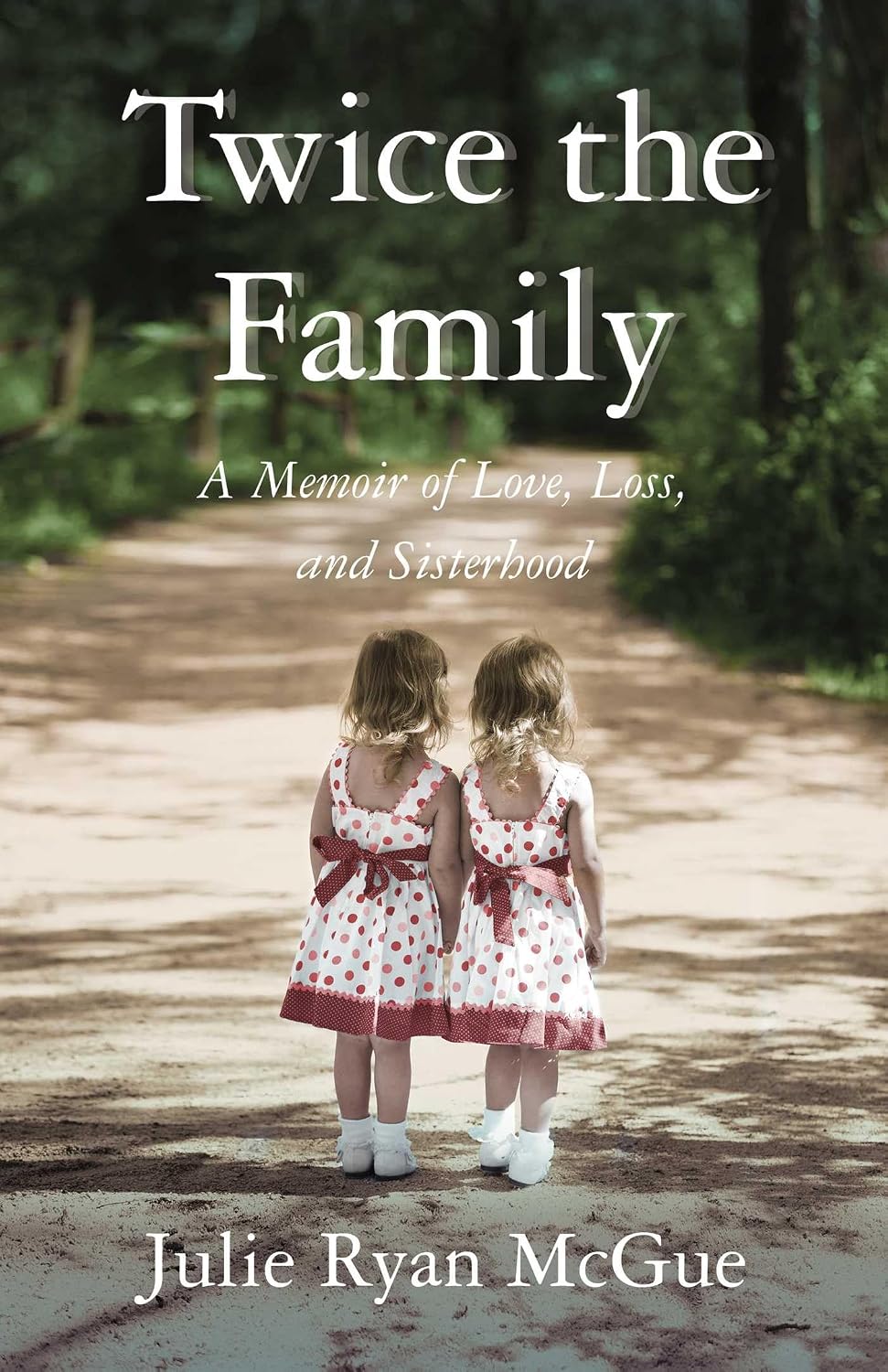
She partnered, albeit briefly, with a marine on the Lady Penrhyn and produced twin girls who would eventually marry and settle in Launceston too. And so the line began.
Each had daughters who struggled through degrees of poverty, illness, loss of children and early deaths. They are buried throughout the state of Tasmania and on one recent visit, I sought out the cemeteries in which they were interred to pay some homage to the women who came before me.
Some could not be discovered as the earth where they lay had been repurposed for football ovals – the records remain brutally unclear as to whether the bodies had been removed before the turf was laid. Perhaps they have been there for two centuries, rattled by the footfall of hundreds of children overhead. It’s a fanciful notion but certainly is grist for the writer’s mill in my mind.
Some became nurses, cooks and gardeners, others, mothers out of wedlock. Many were abandoned by their partners and left to raise children using only their wits, skill and tenacity. They did not shrink from this responsibility and instilled in their daughters hope for a better future as well as a sense of dignity that comes with attending to life with courage.
My great-grandmother fell pregnant outside of marriage and was abandoned by the father of her child. I only discovered this through the Ancestry DNA profile that led me to a line of relatives I had never known. And in a most unfortunate turn of events, my own mother experienced the same thing. She and her three siblings were raised by a very young single mother. Things were tough, financially and emotionally, but I could see in my mother the strength that came through having to find courage, even in the darkest times.
History gives us a framework to write stories set in the past, but the narratives of our own lives put flesh on the bones of those characters. The essence of those ancestors, whose lives we know at least a little, help us construct a truth that resonates with a reader. Facts are researchable and documented, but the real power of a narrative comes from having an almost tangible connection to the characters.
As a reader I want to feel and sense the life I’m reading about. As a writer, it is my responsibility to create that whole person. The sound of their voice, not just the words they say. The way they speak their mind, and the way they do not when silence is a better course of action.
The movement of their bodies, the sound of their footsteps, their beliefs, faith, hope and sometimes even the loss of all of this shapes the character, and by extension, the relationship a reader will have with them.
So it is from my own long line of strong women that I draw the elements that make the central characters of my books. In the Lily O’Hara Mystery Series, it is Lily who finds her voice through loss and love.
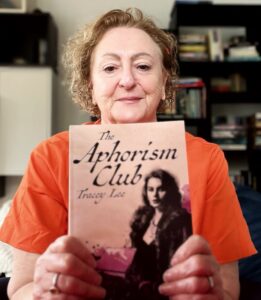
In The Aphorism Club, my most recent novel, it is Ruby Pearl Hart who is at the centre of the story. Ruby is a clever, inquisitive girl who is held back by three things: her disengaged family, the social conventions of the 1920s and the raspberry birthmark on her face. The story is, however, about the changing roles of women and the tenacity needed for her to make a life of her own, despite the complexities.
The lesson Ruby learns is that she must make the most of the opportunities offered to her. She must move forward, and that often means some kind of sacrifice. After all if you want to cross the sea, you must leave the shore. This lesson filtered its way through the generations of my family to me and into my characters. I hope too that it may also pass down to my own children.
My work is not biographical in any way, despite the name Ruby Pearl being that of my grandmother. But it does reflect the voices and stories that I grew up with: each one reflecting the strength that comes with overcoming obstacles, putting aside the easy path, ignoring the notion that giving up is an option, and forging a better path for the women who will come after you.
I’d like to think that the long line of women before me can see something of themselves in my characters and perhaps even in me and my daughter too. If there are generations to follow, I hope that they might look back and see how our journeys, struggles and triumphs also prepared the path for them.
—
THE APHORISM CLUB
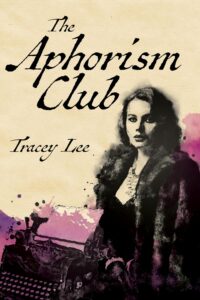 All the girls talked of marriage one day. Of romance and fluttering hearts and the places they’d call home. Ruby believed that being a wife was an unlikely scenario for her. The face after all would be something of a deterrent.
In Melbourne in 1910, Ruby Pearl Hart is born into a family that does not want her. Failing to appreciate her gifts, all they see is the raspberry birthmark on her face.
Cast out, Ruby finds a makeshift family with the colourful misfits populating her Aunt’s home, the Mary Street Terrace. Here, her intelligence, creativity and hope are allowed to thrive.
But when tragedy strikes, Ruby’s ambitions for her life seem dashed. It’s not until she is forced to move from Melbourne to Launceston that she comes to understand the battle for women’s freedom is still being waged – and for some, life is much, much worse.
Exiled in this small town, she meets a group of artists and writers who call themselves ‘The Aphorism Club’. Unique, clever and bohemian, they too are broken and cut adrift. In them, Ruby finally finds a safe harbour where she can dream, dance and reach for a life beyond social expectations.
In Tracey Lee’s The Aphorism Club, there are forces working against Ruby that will take more than hope to overcome. In an unprecedented shift, Ruby is given a choice – but can she hope to make the right one in a world determined to keep her down?
BUY HERE
Tracey Lee has been writing since she was eight years old. The Lily O’Hara Mystery Series, which has a 4th book coming out in 2026, has been widely praised for its addictive storylines and its keen observation of family dynamics. Tracey’s newest book The Aphorism Club, takes its title from the writing group which was founded by Tracey and a group of close friends in 1994. This group remains integral to Tracey’s writing process.
Tracey holds a highly distinguished, 38-year career as an English/Behavioural Science teacher who has taught in Tasmania, Western Australia, Canberra and most recently in New South Wales.
In 2005, Tracey completed a Masters in Creative Writing at the University of Canberra. Both her teaching and writing are focused on what motivates human behaviour and what maintains equilibrium, as well as the disturbances that threaten this balance. Her fiction often follows ordinary people as they face extraordinary circumstances.
Since retiring from the classroom, Tracey has run several writing sessions at local libraries, joined the Eurobodalla Writers Group and hosted local panel discussions for International Women’s Day and Crime Writers of the Eurobodalla.
Living on the far south coast of NSW, she now spends most of her time writing.
Category: On Writing
Subscribe
If you enjoyed this article, subscribe to receive more just like it.