Writing for the Long Haul: Notes from the Trenches
By Lucy Burdette
In August, The Mango Murders, the fifteenth book in my Key West Food Critic mystery series, will be published—a milestone that astonishes me in some ways and feels completely natural in others.
I grew up devouring mystery series. Every week, my mother took us four kids to the library, and we’d come home with stacks of Nancy Drew, the Hardy Boys, Bobbsey Twins, and Cherry Ames books. I fell in love with series characters early—Nancy Drew was fearless, independent, and caring, and her circle of friends supported her strengths. I’ll always be grateful for those books, even if Nancy doesn’t quite hold up as a modern model. Today’s readers expect characters who evolve over time in response to life’s challenges—and the crimes they solve.
Another influence on my writing came from my career as a clinical psychologist. I was trained in long-term psychotherapy, where people slowly reveal themselves to a patient, persistent listener. This process feels much like writing a long-running series. With each book, the author can deepen the reader’s understanding of the characters—layer by layer. In fact, the therapist and the detective aren’t so different: each takes in what’s initially visible, listens for what’s unspoken, and gradually uncovers the full story. (If a series is like long-term therapy, a standalone novel is a single consultation.)
With that in mind, here are a few thoughts about writing—and sustaining—a mystery series:
- Let your characters evolve.
To keep readers engaged, your main character must grow from book to book. In older series—think Agatha Christie or Nancy Drew—plot reigned supreme, and characters changed little. That formula still exists, but I find it less satisfying as a reader and writer. Real people change. So should our protagonists.
When starting a series, approach your character the way a therapist might begin a session: What brings her here? What matters most to her? For Hayley Snow, my Key West heroine, the answers are clear: family, food, friendships, and her career as a food critic. She’s not a professional detective, so the stakes must be personal. Is she a suspect? (That works once, maybe twice.) Is a loved one in trouble? Over time, new characters—friends, family, adversaries—can reflect and challenge the protagonist’s growth. Most importantly, every crime should leave a mark on her soul. Death shouldn’t be treated lightly or only as a plot device.
- Reveal secrets slowly.
Let the character’s backstory unfold gradually—not all at once. This doesn’t always mean your sleuth must be full of angst (especially in a cozy mystery), but she should remain fresh, interesting, and emotionally dynamic.
Some authors do extensive outlining and character development before they write. I tend to discover my characters as I go. Someone once told me not to expect too much from a first book because the writer is just getting to know her characters. That rings true for me.
When I begin a book, I have a general idea where I want the characters and their relationships to go. I think about which side characters might add depth and how I can mine the world I’ve already built for new plotlines and emotional arcs. For example, in early books, I knew little about Hayley’s now-husband, other than he had a mysterious past. By book eleven, I finally filled in the blanks and gave readers a fuller picture of his family history.
- Use setting as a living, breathing character.
Choose a setting that evolves. Ann Cleeves’ Shetland, for instance, is a place in transition—its old ways yielding to the new. In my books, Key West is more than a postcard backdrop. It’s full of tension: locals vs. tourists, the wealthy vs. the homeless, snowbirds vs. year-round residents. Those dynamics offer rich terrain for storytelling.
Plus, readers love returning to Key West through fiction. When someone tells me they visited all the places Hayley describes, it’s incredibly rewarding.
- Start strong—each time.
When I sat down to write The Mango Murders, I knew I needed to start with a bang. Literally. My husband and I had just taken a sailing cruise in Key West, and I imagined a similar cruise chartered by Hayley’s employer to impress media and influencers—with her mother’s catering business providing refreshments. That became the hook aka the stakes: Hayley’s job and her mom’s business are both on the line. And so, I blew up the boat. That’s one way to launch a mystery!
- Don’t hold back.
A few practical tips from the publishing trenches:
- The first book in a series should stand alone. You don’t know if it will sell or if a publisher will want more.
- Don’t save your best material for a future installment that may never come. Put it all on the page now.
- Try not to get so emotionally attached to your series idea that you can’t move on. The truth is, many second books sell fewer copies than the first, and so on down the line. Publishers may not stick with a series unless early sales are strong.
Pitch your debut like this: “My novel stands alone, but I have ideas for a series.”
Writing a series for the long haul isn’t easy. But if you treat your characters with the same patience, curiosity, and respect that a therapist offers a client—and if you allow them to change, grow, and sometimes stumble—you’ll keep both your readers and yourself coming back for more.
—
USA Today bestselling author Lucy Burdette is the author of 25 novels, including the Key West Food Critic Mystery series, the Advice Column mysteries, two standalones, and the Golf Lovers Mysteries. Her books have garnered three Florida Book Awards and have been shortlisted for Agatha, Anthony, and Macavity awards. A former president of National Sisters in Crime and the Friends of the Key West Library, she divides her time between Madison, Connecticut, and Key West, Florida.
Find out more about Lucy on her website https://lucyburdette.com/
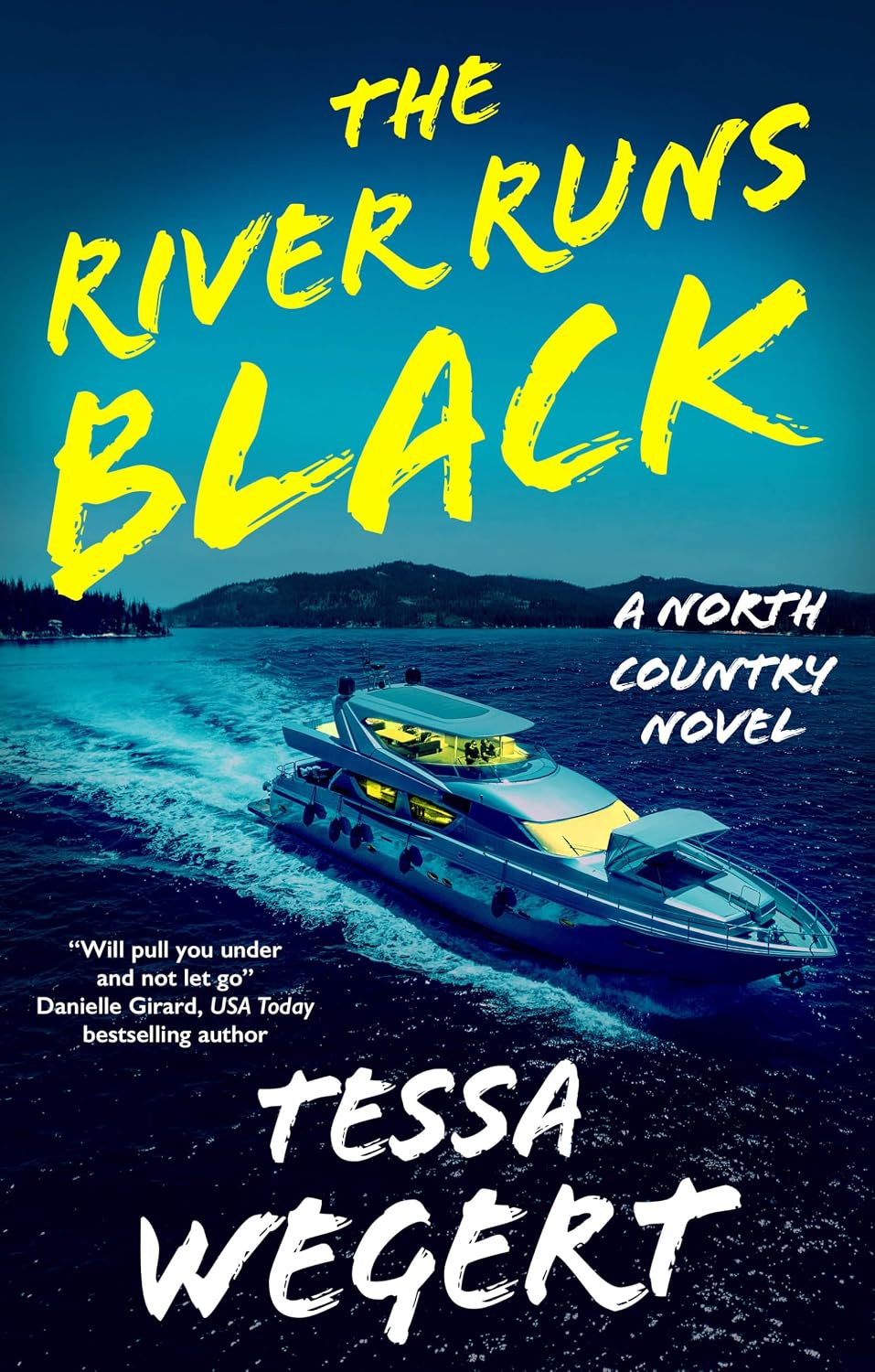
THE MANGO MURDERS
 The turquoise waters of Key West are stained with pink in this explosive 15th installment of the Key West Food Critic mysteries from USA Today bestselling author Lucy Burdette.
Food critic Hayley Snow’s employer, Key Zest, is throwing the event of the season, a lavish cocktail party catered by Janet Snow, Hayley’s mother. As Hayley boards the luxurious cruise, she anticipates a smooth sailing soirée filled with shimmering cocktails, mouthwatering mango-infused delicacies, and new supporters for the e-zine. But as the boat sets sail, the festivities take a tragic turn when an explosion rocks the vessel, plunging the party guests into chaos.
In the days that follow, Hayley learns that a local culinary entrepreneur died in the explosion and it was no accident–someone on board had a deadly agenda. With the tropical city of Key West as her backdrop, Hayley navigates a web of secrets and lies. Her investigation takes her from the shadowy corners of island politics to fierce competition between high-end event caterers and personal vendettas.
With the clock ticking and the stakes higher than ever, Hayley must rely on her keen intuition to unmask a cunning culprit before they strike again.
BUY HERE
Category: On Writing
Subscribe
If you enjoyed this article, subscribe to receive more just like it.