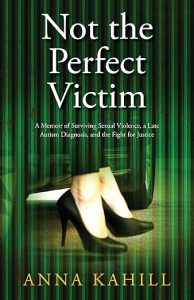
Not The Perfect Victim: Excerpt
NOT THE PERFECT VICTIM:
 From Silence to Strength
A story of trauma, rage, and reclaiming the right to be heard.
Not the Perfect Victim: A Memoir of Trauma, Truth, and Reclamation
What happens when you’ve survived the unthinkable—but no one sees it?
From a small city in Northern Ireland, through the cobbled streets of Italy to the foot of the Swiss Alps, Anna Kahill takes readers on a deeply personal journey through trauma, silence, and recovery. After surviving rape in early adulthood, she carried on with life. But beneath the surface, she was living with undiagnosed complex PTSD—long mistaken for a personal failing rather than the imprint of trauma.
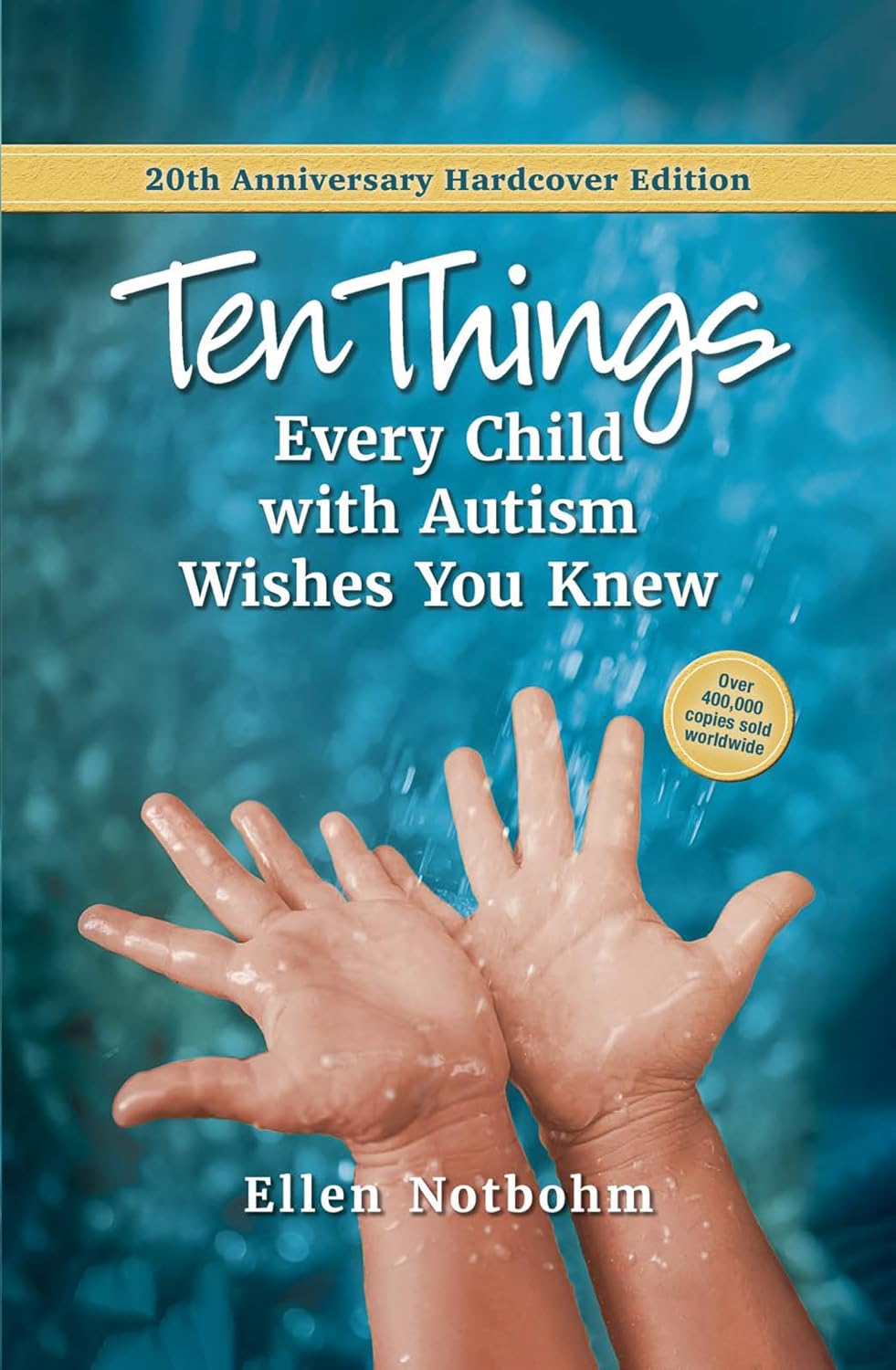
It wasn’t until her mother was diagnosed with cancer and declined rapidly that Anna finally sought help—unwittingly triggering a cascade of reckonings: the decision to report the rape, and later, the shock of a late autism diagnosis. What followed was a confrontation with a justice system not designed to protect survivors—and a long, painful journey of reclaiming her story.
Told with unflinching honesty and rare vulnerability, Not the Perfect Victim opens the door to the therapy room, inviting readers into the raw moments of collapse, breakthrough, and quiet transformation.
For readers of Know My Name, The Body Keeps the Score, and What My Bones Know, this memoir shines a light on the reality of surviving sexual violence, living with hidden disabilities, and navigating a system that asks victims to be perfect in order to be believed.
This is not a story of a perfect victim.
It’s a story of truth-telling. Of rage. Of survival.
Of what happens when a woman refuses to stay silent any longer.
Home
Excerpt from *Not the Perfect Victim* by Anna Kahill
“Home is not a place, it’s a feeling. ” — Cecelia Ahern
I was a quiet child, number four out of five siblings. For five whole years, I was the youngest, the baby of the house. Life was good in that role, but everything changed, when a surprise baby arrived: our youngest sister. According to Mum, when she was born, my nose was knocked out of joint. I was no longer the baby – I was suddenly the middle of three girls.
From that point on, if I was lucky, I got called by my name. More often, I was simply referred to as “Number 4”, based on my birth order. My dad had affectionate pet names for us three girls, which I’ll use throughout this memoir: Toodles, Petals, and Cuddles, in that order. The boys had their own nicknames too. One of mine was “Mum’s shadow”, because I followed her wherever she went. That bond lasted well into early adulthood. I was rarely seen without her. My mum was my safe place.
We grew up a family of seven in a three-bedroom, semi-detached house in Brackenhill Park, a council estate in Newry, Northern Ireland. Sharing a small house with six others was a full-on sensory experience, often bordering on daily drama. There was the pain of holding “it” in while waiting for the bathroom, versus the anxiety of sitting on the loo while the handle jiggled frantically from the other side. The smell of toast would drift enticingly from the grill – or later, the toaster – only to be met with disappointment when someone else had nabbed the first batch. The sound of the kettle boiling, then reboiling, was almost drowned out by squabbles about who had been in the kitchen first.
At one point, things got so competitive that the eldest two started bringing the kettle upstairs the night before, plugging it in beside the bed. They took turns each week making tea for each other from the comfort of their beds. To this day, I still don’t know where they kept the milk.
Weekends were no exception. Sunday mornings brought the aroma of chicken roasting in the oven and the clatter of kitchen utensils as Dad prepared Sunday dinner, giving Mum a well-earned break from weekday cooking. My scrawny frame, draped in oversized pyjamas, would clamber down the stairs, following the smell to its source. The kitchen was usually in chaos – pots, pans, potato skins, and knives strewn everywhere. It looked as if the chicken had been free-ranging in the kitchen before it ended up in the oven.
Dad was a great cook, and Mum preferred it when he took charge of the meals. But she was much better at tidying as she went, so it was always obvious who had cooked, based on the state of the kitchen. Despite the mess and the strange fusion of roasting chicken and toasting bread, the house still felt like a home. I found peace in the familiar. The clutter faded into the background as I sat at the table eating breakfast, listening to the sound of Mum turning the pages of the Sunday papers that Dad had picked up after Mass. The two of them would sit together, solving crossword puzzles, with Mum reading the clues aloud.
With seven people under one roof, our home was always bustling and noisy. Whether it was the hiss of the iron as Mum tackled another mountain of laundry, the thud of someone tripping over the 50-kilogram sack of spuds by the back door, the rhythmic sound of potatoes being peeled for dinner, or the constant chorus of siblings bickering – it was alive. We got on each other’s nerves, yes, but we also shared belly-aching laughter and endless inside jokes.
While the sensory overload could be exhausting, there was comfort in its consistency. It was a home full of people, noise, and emotion. But above all, it was a home founded on love.
—
Anna Kahill is an Irish writer, healthcare professional, and neurodivergent trauma survivor. Her debut memoir Not the Perfect Victim explores the long road from silence to truth after sexual violence and a late autism diagnosis. She lives in the UK with her husband and son. Connect with her on Instagram @nottheperfectvictim or visit www.NotThePerfectVictim.com.
BUY HERE
Category: On Writing
Subscribe
If you enjoyed this article, subscribe to receive more just like it.