How My Book Tour Became Part of My Healing as a Writer
By Heidi Yewman
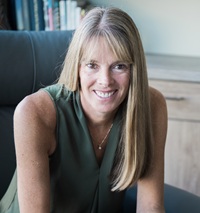 My book tour turned out to be far more than a series of events; it became an unexpected chapter in my own healing.
I launched my memoir, Dumb Girl, on August 19th. It almost didn’t happen. Six days before the launch, my brother—whose sexual abuse I wrote about in the book—sent a cease-and-desist letter via his lawyer to my publisher, demanding that She Writes Press not publish the book. My publisher, along with a lawyer explained that the book will be published and that he had no legal grounds to stop it.
It was an emotional blow to be sure, but the way my publisher, Brooke Warner, had my back felt deeply validating—something I’d been yearning for—for years. The entire book tour has carried that same feeling.
When you are abused by family members as a child, you try to figure out why, because if you can understand it, maybe you can make it stop. But you can’t—because you’re a child. So you make up reasons, and conclude it must be something you did, or that something is wrong with you and somehow deserve it. You normalize it. You minimize it. You tell yourself this happens to everyone, or it’s not that big of a deal.
This is the story I told myself for years. So I was shocked when reviewers and readers started saying, “Oh my God, I can’t believe what a f’ed-up childhood you had,” or “I had no idea you had so much trauma growing up.” Hearing people name what I’d always known in my bones—that the trauma, the abuse, the dysfunction I survived were real—was profoundly validating. And it’s accelerated my healing in ways I didn’t expect.
But that’s not why I wrote the book. I wrote it for others who have been abused, traumatized, and terrorized. And I’m starting to hear from those readers now.
One of the most powerful moments was when my childhood best friend reached out after fifteen years of silence. We met in Seattle after she finished the book, and she told me about the abuse she’d endured by her husband for years while effectively raising her two children alone.
We cried together as we shared the survival strategies, we’d each clung to—making ourselves small, appeasing our abusers, walking on eggshells—and we apologized and forgave each other for not knowing what the other was living through. It was incredibly healing—for our friendship and for me personally. She’s now working on her own memoir.
Those private moments of connection and shared trauma were healing in ways I hadn’t expected—but the public moments surprised me too, and they reminded me of how far I’d come.
When I walked into Powell’s City of Books in Portland—the biggest independent bookstore in the world— I saw my name on the marquee and felt a rush of disbelief before climbing the stairs and entering a large section of the store that was set up for my book talk and signing. Chairs were being arranged, a cameraman from the local NBC affiliate was positioning lights and stands for the two cameras filming the event.
David Molko, an Emmy award-winning anchor at KGW, would be leading a conversation with me in front of more than ninety people. I couldn’t have asked for a better launch for my memoir or the four-month book tour that followed. My husband, my son, and so many friends were there to support me and help celebrate.
The media tour started months before the launch which included podcasts, magazine, and news outlet interviews including David Molko interviewing me in my home, interviewing me and my husband in a park, filming us playing tennis, walking to a coffee shop, and later including me in a three-person in-studio panel about childhood abuse. It was intense!
What I didn’t realize is that the media interviews would prepare me for the book tour itself, where audience members asked me about my childhood, my gun violence prevention work, my family, and the vulnerabilities and secrets I wrote about. One woman said, “I can’t believe you laid it all out there. You are so brave.”
In the end, the book tour wasn’t just about promoting Dumb Girl, it was another chapter in my own healing. Every person who showed up, every question asked, every story shared gave something back to me I didn’t even know I still needed.
I spent most of my life feeling small, invisible, and ashamed of what had happened to me. Standing on those stages—with my story, my voice, and my truth—showed me just how far I’ve come. And I now know I no longer need to be afraid of being vulnerable, telling my story out loud, or allowing myself to be seen.
 For fans of Jeannette Walls, Jodi Picoult, and Alice Sebold, a heartening memoir about a girl who survives abuse and molestation to become a powerful advocate against gun violence in America.
The inspiring memoir of a woman who overcomes the physical, emotional, and sexual abuse of her early life to blossom into a gun violence prevention activist.
Growing up in a toxic, male-centered household where she’s repeatedly told, “Don’t be a dumb girl,” Heidi’s abused by her dad—starting with a punch in the face at five years old—and left to fend for herself by her alcoholic mom, who neglects to protect her from either her violent father or her brother who molests her. For years, Heidi’s traumatized and without a voice.
Then comes Columbine. Thirteen years after Heidi graduates from Columbine High, this horrific school shooting rocks the nation—and gives her a sudden sense of purpose. Despite her childhood wounds, or perhaps even because of them, she becomes determined to stop gun violence. Gradually, she finds her voice: organizing vigils and protests, joining the Brady Campaign Board to battle the NRA, and eventually writing a book and directing a documentary about the after-effects of gun violence. In doing so, she finds her inner strength and resolve and overcomes her fear of conflict—and learns that when you frame it the right way, even being “dumb” can be a superpower.
Category: On Writing
Subscribe
If you enjoyed this article, subscribe to receive more just like it.