A Rose is a Rose is a Rose…or is it?
A Rose is a Rose is a Rose…or is it?
“What’s in a name? That which we call a rose,
By any other name would smell as sweet.”
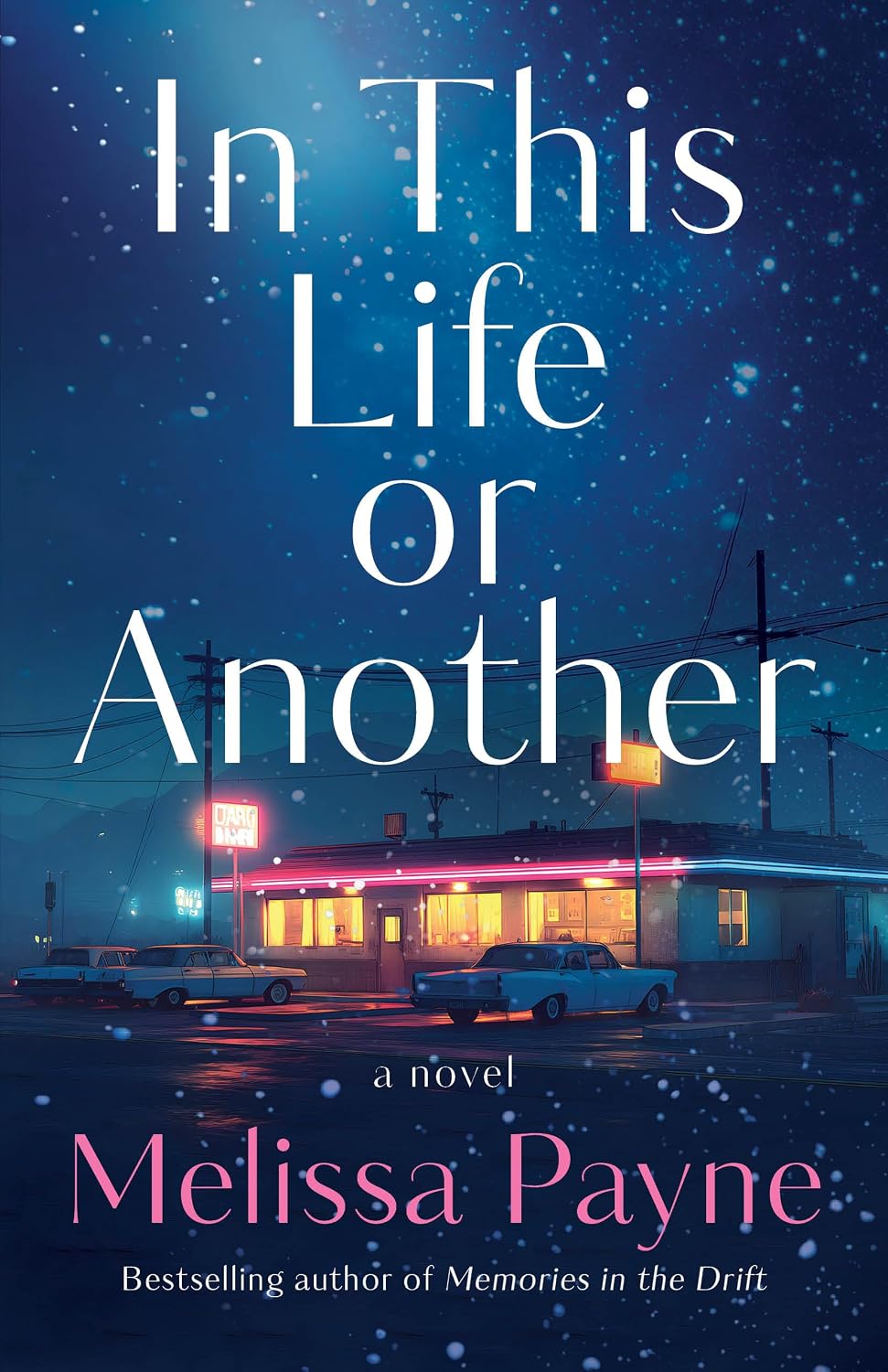
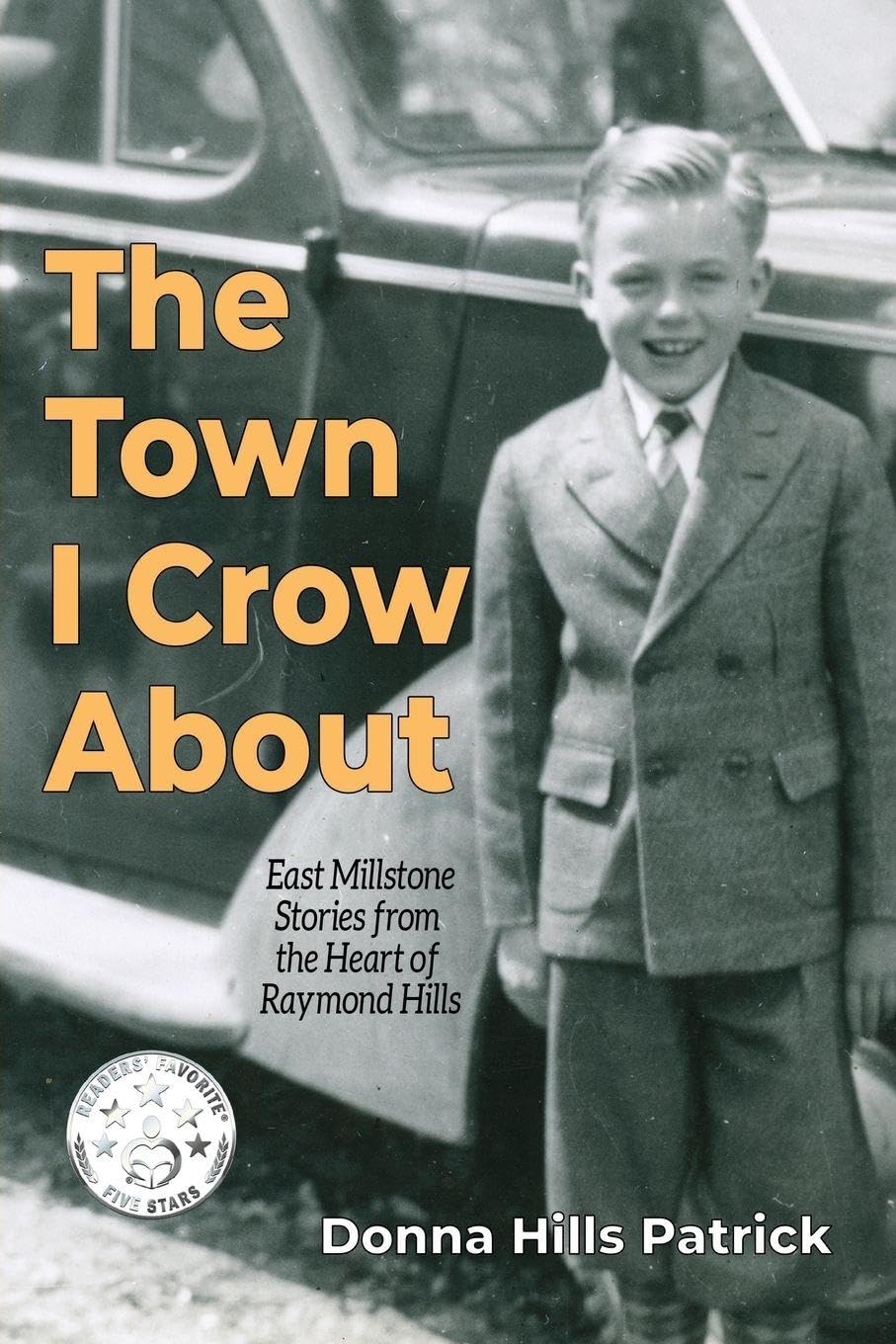
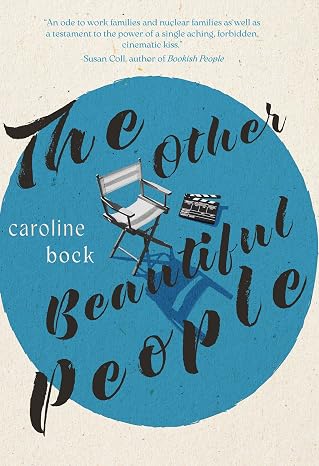
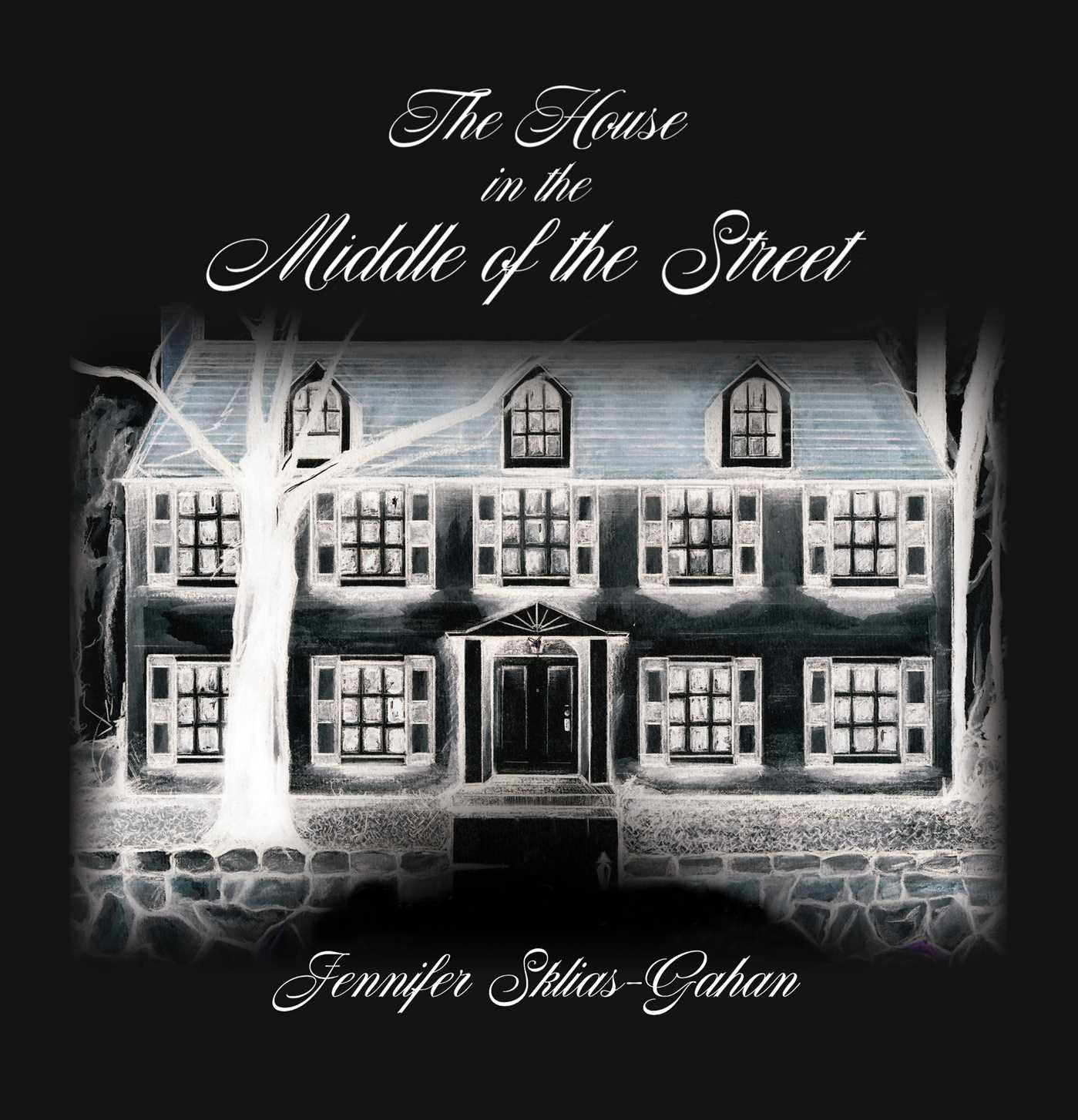
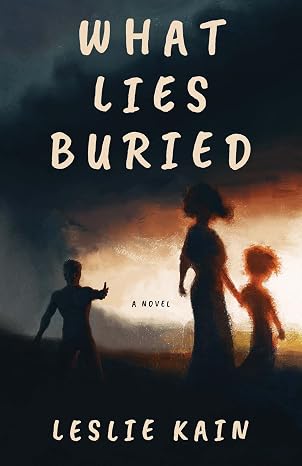
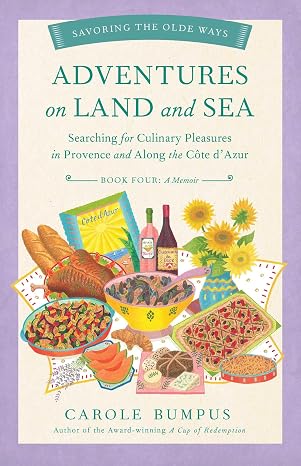
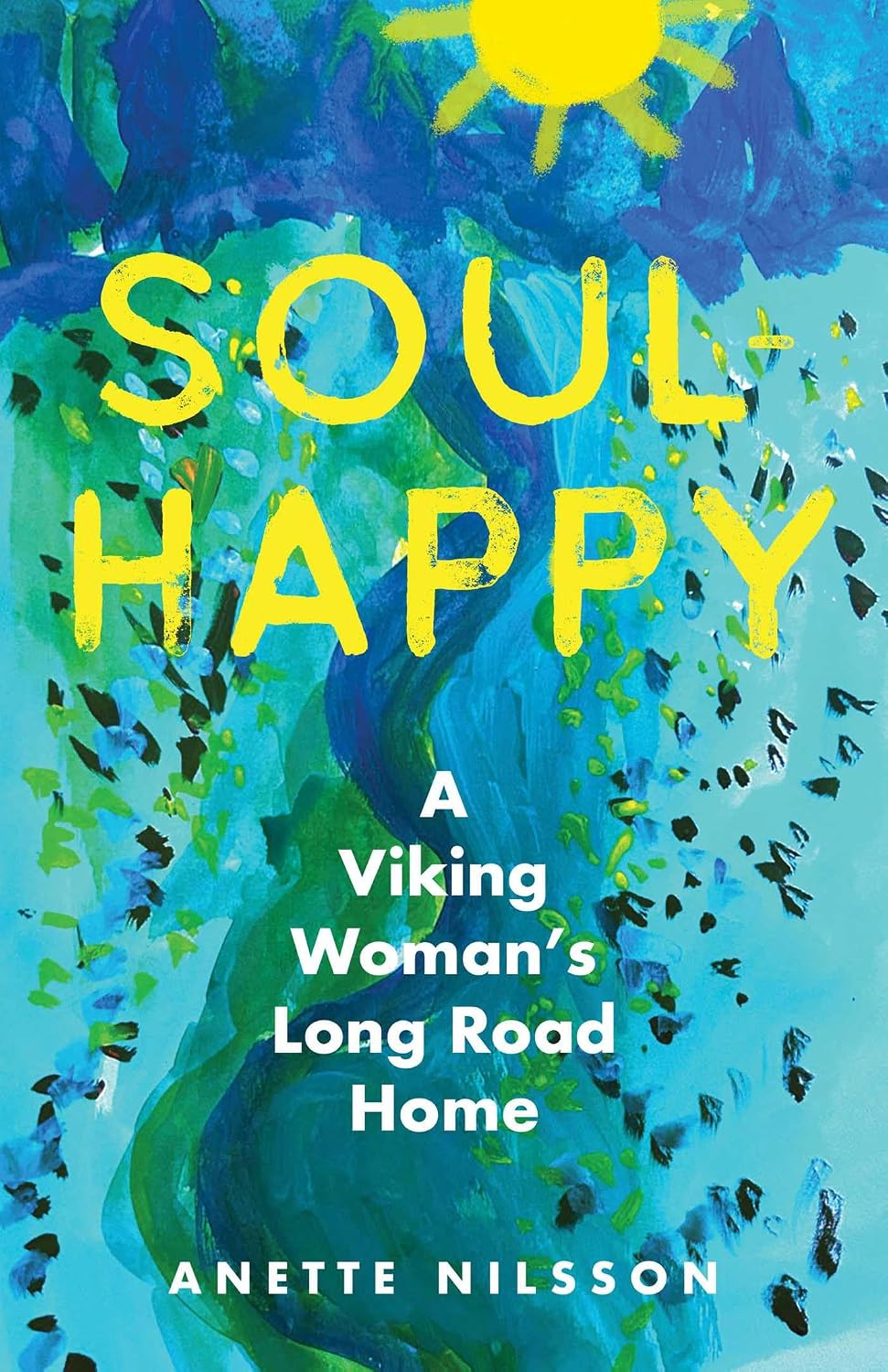
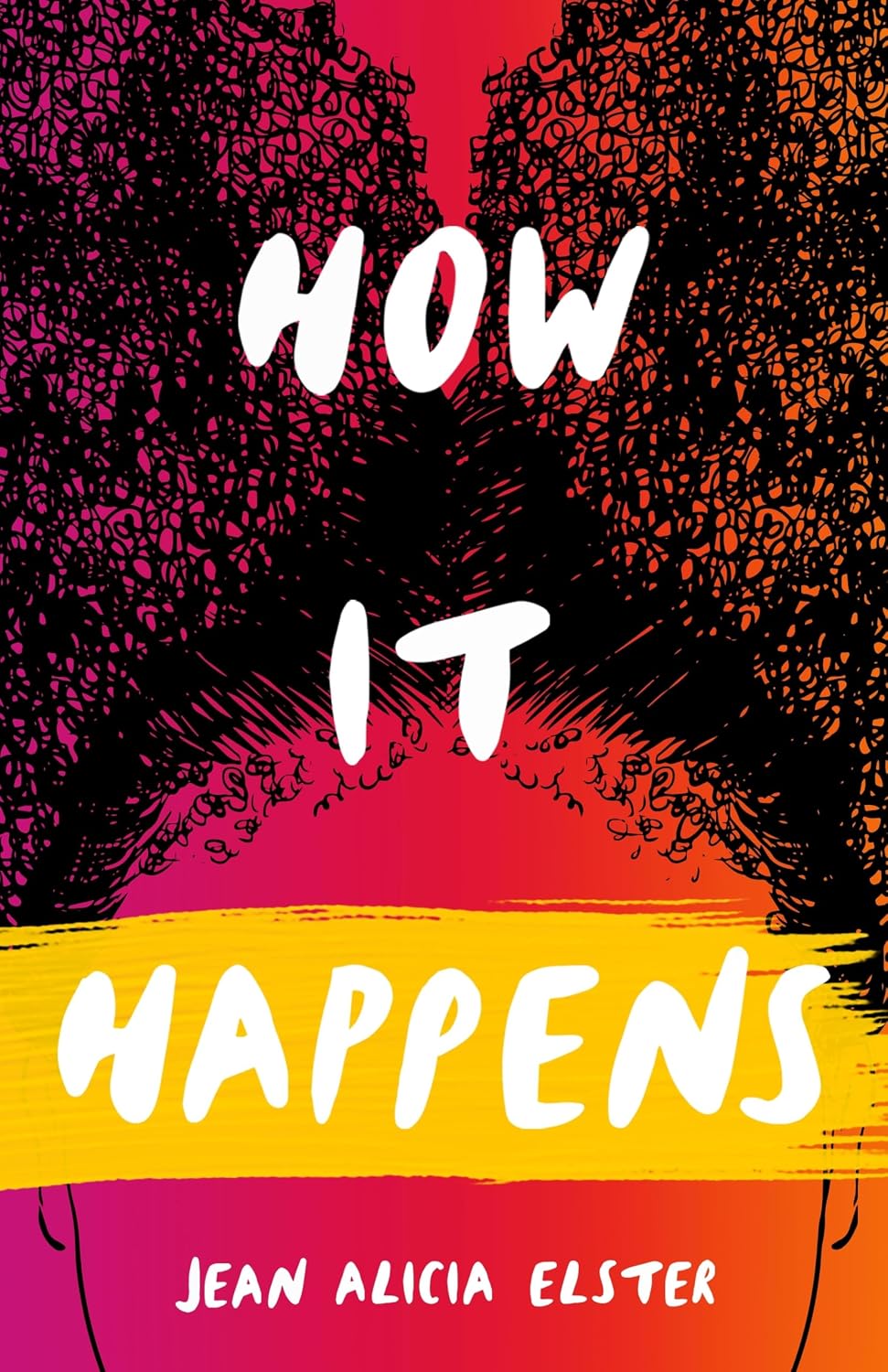
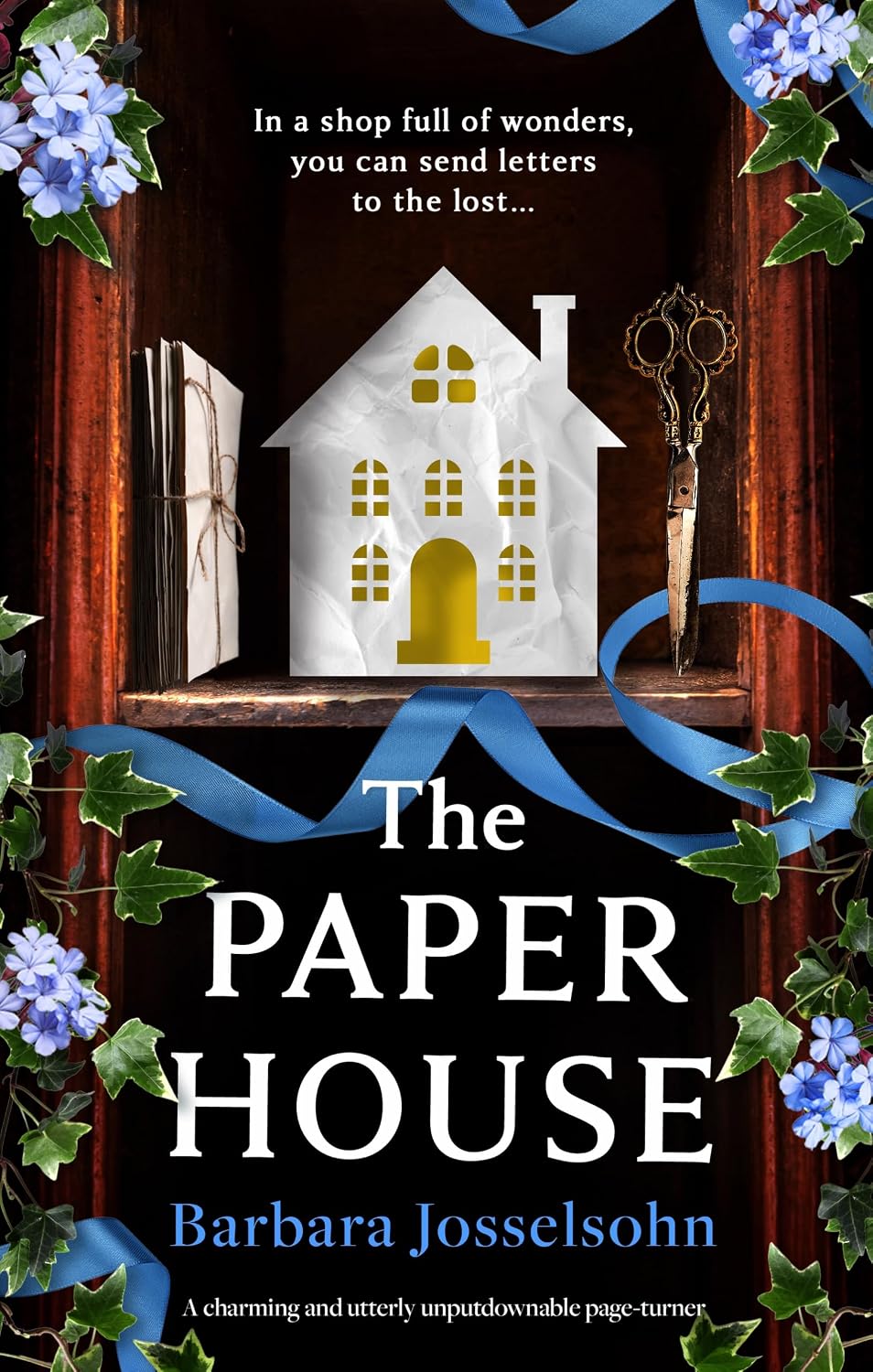
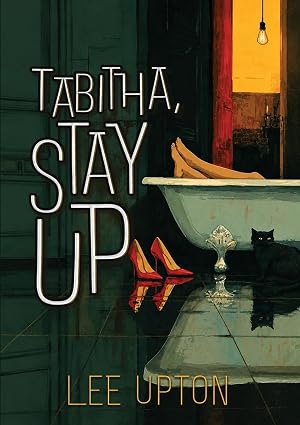
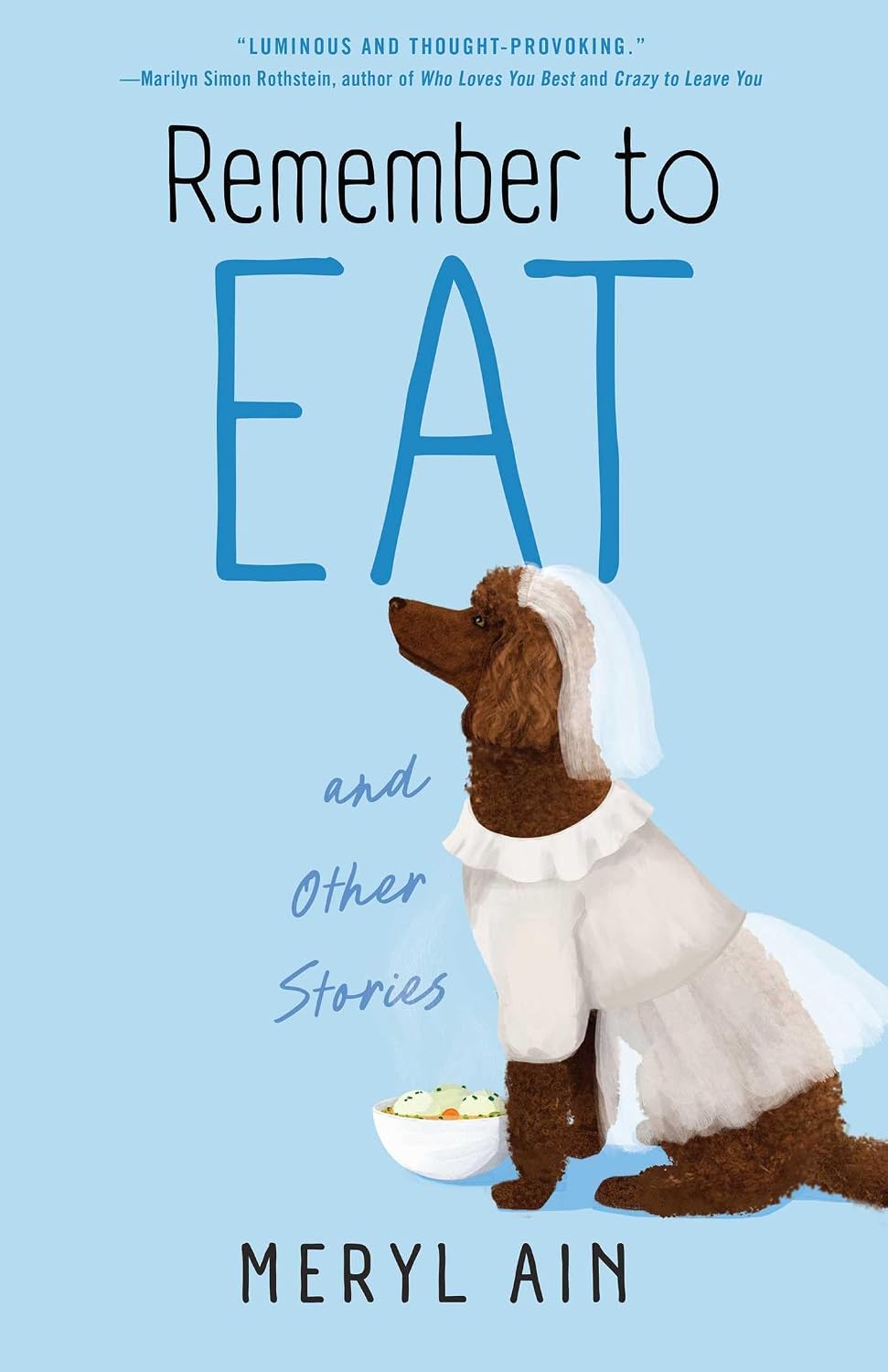
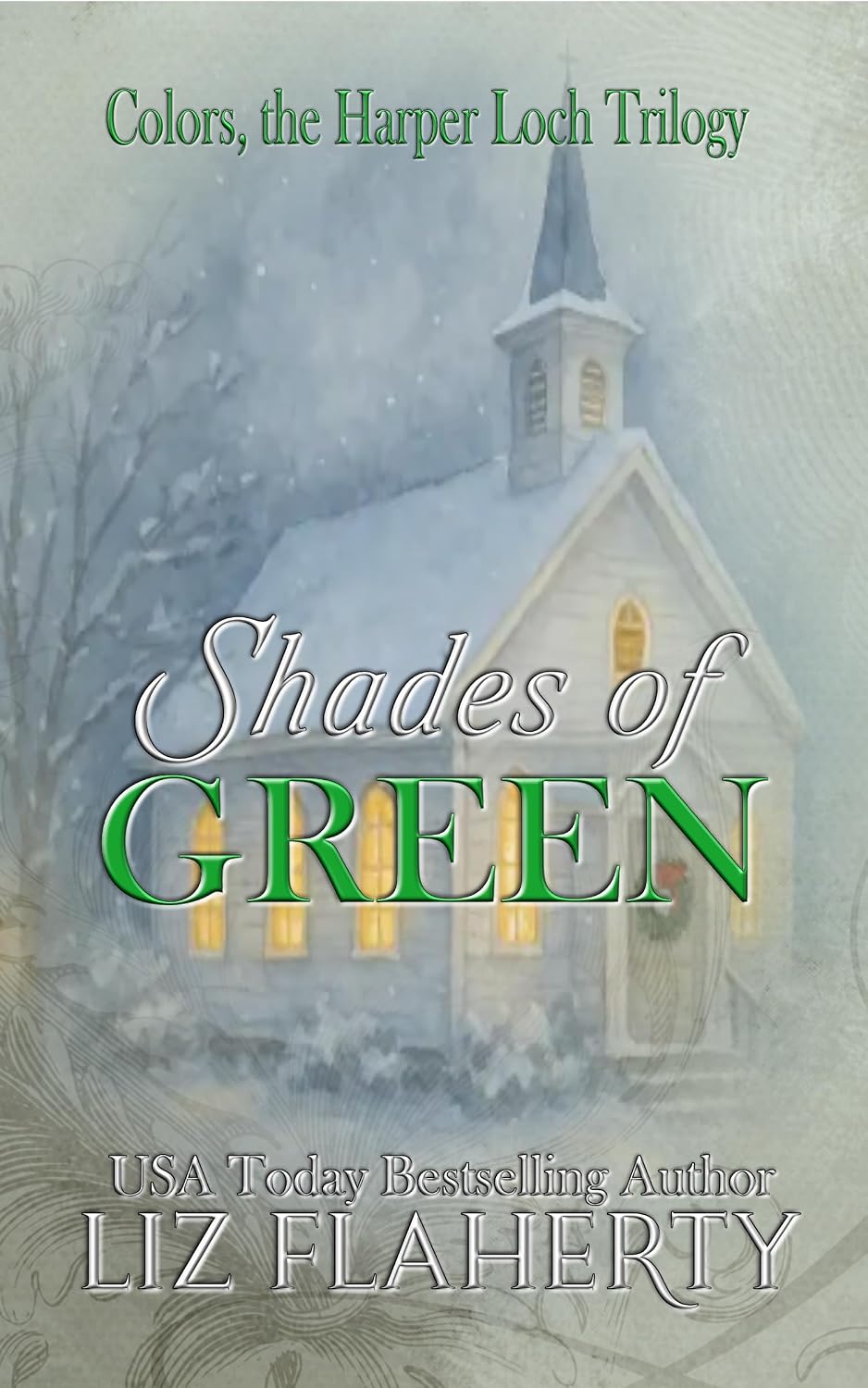
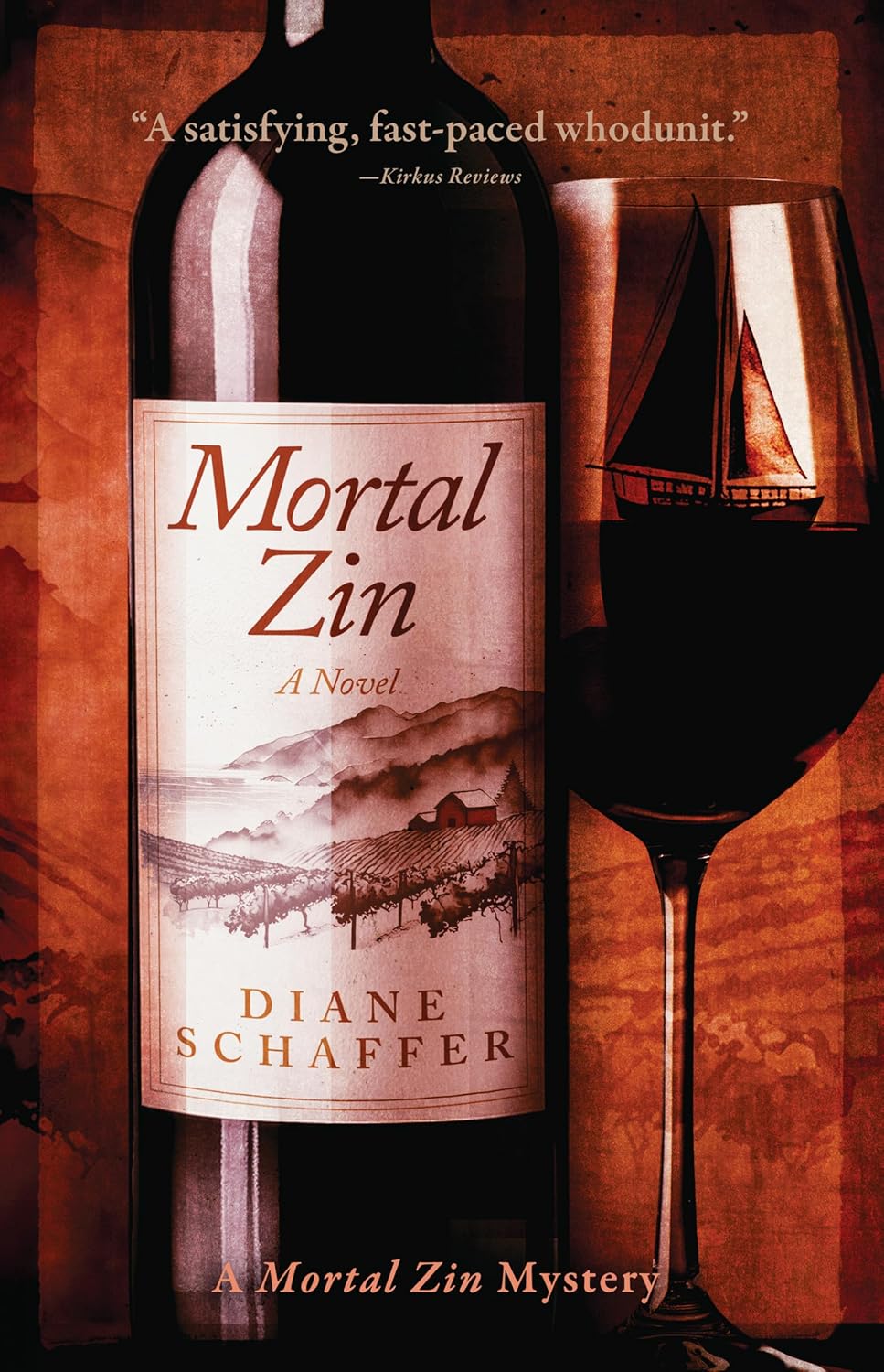
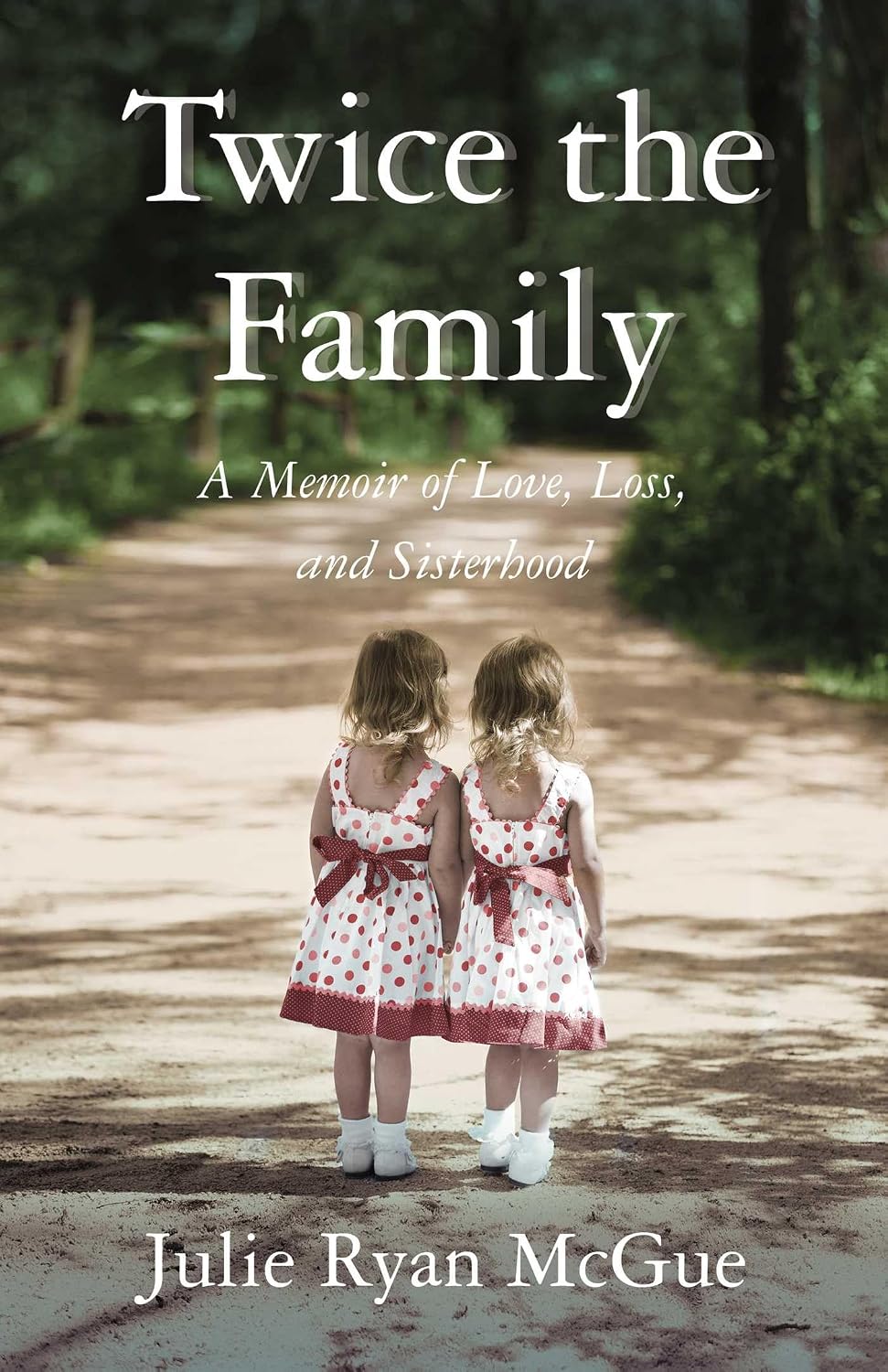
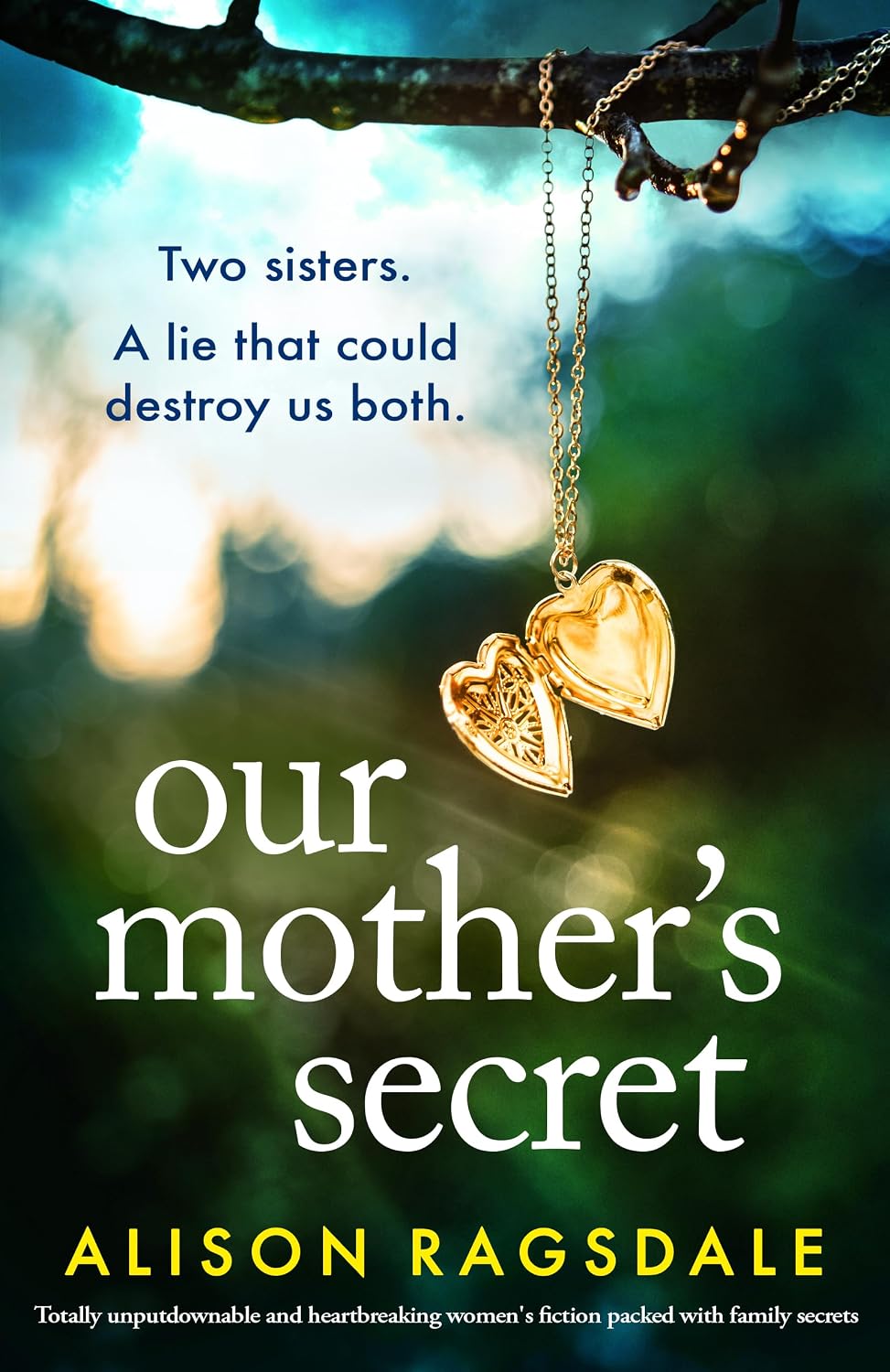
Shakespeare was undoubtedly onto something here… though Mark Twain conceded that “names are not always what they seem.” Do the same sentiments apply to book titles? Those names that grace the bindings of our novels? I’ve been asked where titles for my books come from. The obvious answer is that great title bank in the sky, better known as the imagination. I recently heard Colson Whitehead interviewed on my local NPR station about the release of his most recent book Cool Machine. When asked where the title came from, the actor very nonchalantly answered something like “…phrases audition for the title.” I love that notion, that ideas are hanging around, waiting to be called front and center, to take their place on the book’s stage. Could Colson Whitehead have titled his novel something else? Of course. Would changing the title change the quality and outstanding writing of the book? Obviously not. Many readers know Whitehead and what to expect from him and I think his particular “rose” would certainly “smell as sweet.”
Sometimes titles are easy to choose, they announce themselves in a logical manner. When I started writing my cozy mystery series, the Dodie O’Dell mysteries, I titled the first book based on the significant presence of theatrical hijinks: Show Time. It was logical, to the point, and allowed for other titles that could amplify a theme as the series grew to six books: Time Out, Running Out of Time, Just in Time, No More Time, and Killing Time. (I get smiles at book events when I run through all of the titles. Folks start to get the picture about the third title in.) Titles often provide the publisher’s art department a basis for design. In the case of my cozy mysteries, the murder mystery elements coupled with the energy of “time” were depicted through a combination of show titles, small town settings, and murder weapons. But the “time” theme ran through the entire series.
I started writing a women’s fiction novel in 1997. It took a circuitous route to publication, but eventually launched in 2022; twenty-five years after the seed of the story was planted. Twenty-five years after I met a remarkable woman who lived in the south of France during World War II who shared her life of loss and love, grief and deprivation during the war. As historical fiction, with a contemporary framework and romantic elements, I titled the book Souvenirs because the meaning of the word was the same in both English and French: memories. The book was focused on the memories of the French woman as she recounted her life during one year—1944 to 1945. I thought the title was perfect and, as I queried publishers and submitted the manuscript for evaluation for over ten years, never questioned my choice. But after this long period, I became discouraged and put the manuscript away. I turned to the Dodie O’Dell series, which kept me busy for another six years.
Yet, Souvenirs was always in the back of my mind, like a small child tugging on the hem of my skirt begging for attention. When the pandemic arrived and forced many of us to change the rhythms and patterns of our lives, I needed a transition in my writing life. The cozy mystery series had ended and I had space and time to fill. I pulled Souvenirs out of the proverbial drawer and read it anew. I tinkered with pages here and there, with a bit of revising, but it was the title that confronted me. For some unexplained reason, it struck me with a sudden flash of insight that the title I had held dear to my heart for over twenty years might not be working. But what title would? The title needed to say something about the story. I sat down and took a good, hard look at the book. What was it about? Only memories, as Souvenirs suggested? Or something more? Love. Won and lost. With something remaining for both my protagonist in the present and my primary character reliving her past. I traded the memories for the love. And I fell in love with the title as soon as I settled on it. What Remains of Love. As a plus, the title was vivid enough to inspire the cover designer to create artwork that suggested a tapestry of events from the past, as well as a commentary on the present. Needless to say, I was happy I’d had the idea to change the title.
With my recent psychological suspense novel, The First to Die, choosing a title took a different kind of journey. The book underwent significant revisions from first draft to fifth draft, with minor drafts in between. Titles reflected each phase of the revision process. It began as Talk to Me, a narrative about a daughter and father unable to communicate about the past and their fraught relationship in the present as they navigate the murder investigation of their mother/wife. Several drafts later as the novel was revised, the importance of the father/daughter connection diminished. It was replaced by the protagonist’s complicated journey home to face the burial of her murdered mother whose remains had been found fifteen years after her disappearance. The notion of “home” became central to this version of the book; where one calls home, who one calls home. Consequently, the title became Gone Home, at one point, and If I Go Home, at another.
While both of these titles aligned with the theme and content of the book, I was not thrilled with either of them. I wasn’t feeling it. However, the publisher accepted the book with the latter title. One day, midway through the final editing, I reread what I had written as a synopsis—some of which became the jacket blurb—and was struck immediately by what I had written as a last line of the blurb. There it was…the first to die. I had a gut feeling. It referenced murder and jeopardy, suggested danger and suspense. It pulled me into the story and I felt it would do the same with potential readers. My publisher was very happy with the change in title—it evoked a cover design for the book that confirmed tension and peril within its pages.
Novel titles carry a lot of responsibility. They need to say something about the content of the book, entice the reader, and perhaps create curiosity. With many narratives, Shakespeare was correct: “What’s in a name?” With others, Mark Twain had him beat: “names are not always what they seem” and oftentimes book titles can be confusing or uninspiring or simply insignificant. And sometimes that “rose would not smell as sweet.”
–.
Category: How To and Tips
Subscribe
If you enjoyed this article, subscribe to receive more just like it.