
Beginning a Literary Life at Seventy: What a Lifetime Gives the Writer
I began writing books at seventy.
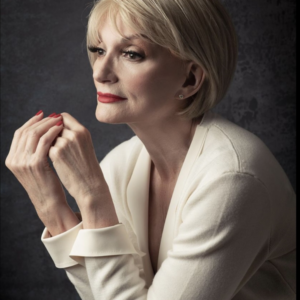 There is a tendency to describe anything begun later in life as a second act, a reinvention, a brave departure from the life that came before. Writing did not feel that way to me.
I did not arrive late. I arrived with material.
By the time I began to write seriously, I had already lived through decades of work, family, ambition, disappointment, discipline, beauty, change, and the thousand ordinary experiences that do not announce their importance while they are happening.
I had studied interior architecture and design, which taught me to notice how a room affects the person standing inside it. I had spent years in international protocol and executive presence, watching people enter rooms where much was expected of them and learning how authority can be felt before a word is spoken. At sixty, I began competitive ballroom dance and discovered an entirely different kind of knowledge, one that lived in the body and could not be reasoned into existence.
None of this seemed to be preparation for writing, and yet, when I finally sat down at the page, all of it was there. A lifetime gives a writer stories, certainly, but stories are not the most interesting gift. Time changes the way we understand them.
When I was younger, I wanted things to make sense. I wanted experience to resolve itself. I wanted to know who had been right, what had gone wrong, what should have happened, what something meant.
Age has made me less interested in such tidy conclusions.
A person can love us and disappoint us. We can be grateful for something we would never choose again. We can make a decision that looks foolish years later and still understand perfectly why we made it. We can miss someone and know we are better without them. We can look back at a painful season and recognize that something necessary was being formed inside it.
Life becomes more complicated as we live it, not less. I have come to think this is one of the great gifts maturity gives a writer. We become more comfortable with contradiction. We learn that two things can be true at once. We stop demanding that every experience produce a lesson. We become willing to leave certain questions unanswered.
Perhaps because of that, I find myself trusting the reader more. I do not feel the same need to explain every feeling or close every door. Some things are better left slightly open. A gesture can carry more than an explanation. A silence can reveal more than another paragraph.
Much of life is like this. Its most important moments are often not the loud ones.
The body has taught me the same lesson.
When I began ballroom dance at sixty, I discovered very quickly that understanding something intellectually did not mean I knew how to do it. I could understand where my foot belonged. I could understand timing. I could understand what a movement was supposed to look like. None of that meant my body knew.
Eventually, knowledge had to move somewhere deeper.
Writing has surprised me in much the same way. There are memories I can recount accurately and still not quite reach. I know where I was. I know who was there. I know what happened.
Then some small physical detail returns. The light through a window. A voice from another room. The particular stillness of a house at a certain hour. Suddenly I am no longer remembering the event from a distance. I am inside it again.
The body had been keeping its own record.
That realization changed the way I write. Memory is not only what the mind retrieves. It is what the senses have stored. It is the atmosphere of a room, the weight of a glance, the sensation that appears before we can explain why it matters.
Perhaps this is one of the privileges of coming to nonfiction after many years of living. Experience has had time to settle into us.
A room is no longer simply a room. It may contain a marriage, a childhood, an argument, a departure. A piece of music can reopen an entire decade. A gesture that seemed insignificant when it happened can become, years later, the thing we understand most clearly.
There is something else age has given my writing. I am less interested in pleasing everyone.
Women become very skilled at reading rooms. We learn to understand what is needed. We anticipate discomfort. We soften things. We make adjustments. Often these are expressions of generosity and grace.
But somewhere along the way, accommodation can become so familiar that we stop noticing how much of ourselves has been arranged around it.
Writing has a way of exposing that. Some sentences are written because they are true. Others because we hope they will be approved of.
I know the difference more quickly now.
Perhaps that is another gift of age. Approval loses some of its authority.
I have lived long enough to know that not everyone will agree with me. Not everyone will understand what I mean. Not every reader will recognize herself in what I write. That no longer feels like a problem. The work becomes quieter when we stop asking it to persuade everyone, and more honest.
This does not mean that beginning to write at seventy was easy. Age does not hand us craft.
A lifetime of experience does not teach us automatically how to shape a paragraph, sustain a voice, control rhythm, or recognize when something beautiful in our own mind has become dull on the page.
Writing still requires discipline. It still requires revision. It still requires the humility to discover that what we meant to say is not yet what we have written.
But I have noticed that I approach being a beginner differently now. I no longer expect competence to come before awkwardness.
I learned that lesson at sixty, standing on a dance floor and knowing almost nothing. I learned it again at seventy, sitting before a blank page.
There is freedom in having already survived being new at something. You understand that embarrassment passes. That mistakes are not evidence of incapacity. That mastery, if it comes, comes because you were willing to remain long enough in the period when nothing yet felt natural.
We speak often about the advantage of beginning young, and there are advantages. But I am no longer convinced that youth holds all of them.
A younger writer brings immediacy. She may be closer to certain experiences. She may possess a kind of fearlessness that belongs to not yet knowing all the ways things can go wrong.
The older writer brings something else. She has watched consequences unfold. She has seen people change, and seen the ways they do not. She knows that what appears to be an ending may not be one, and that what looks insignificant may become central years later.
Sometimes we have to live longer before we understand the woman we once were.
That may be the greatest gift a lifetime gives the writer. Perspective. Not distance from life, but a deeper place inside it.
When I began writing at seventy, I did not feel that I was leaving my earlier life behind. I felt it gathering around me.
The rooms I had entered. The people I had known. The disciplines I had learned. The mistakes I had made. The body that had carried me through all of it. The years that seemed, at the time, to be leading somewhere entirely different.
They had all come to the desk.
So when a woman tells me she wants to begin writing at fifty, or sixty, or seventy, or beyond, I do not hear that she is late.
I wonder what she has brought with her.
The page may be blank.
She is not.
And sometimes the years we think postponed the writing are the very years that made the writing possible.
About the Author
Alinda Lewris is an author and pro-aging philosopher whose work reframes aging as expansion, a deepening of authority, presence, and self-possession. Her earlier career spanned interior architecture and design, international protocol, and executive presence. She took up competitive ballroom dance at sixty and began writing at seventy. She is the author of The Woman Who Stayed and The Woman Who Stayed: A Literary Companion, and the founder of Lewris Press. She writes from Washington, D.C.
The Woman Who Stayed: A return to the body that never left
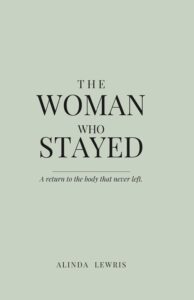 What if aging is not decline — but expansion?
In The Woman Who Stayed, Alinda Lewris reframes what it means to live in a woman’s body over time. This is not a book about resisting age. Not a manual for reinvention. Not a prescription for optimization.
It is intimate by design — a quiet room you are invited to enter at your own pace.
Through movement, memory, grief, desire, and sovereignty, Lewris explores the body as the site of a woman’s deepest authority. From the dance floor to the graveside to the open sky of early morning, this book asks a different question:
What if the years have not diminished you — but clarified you?
For the woman who has achieved, endured, loved, lost, and continued — this is a return. Not to youth — but to the fullness of your presence.
This book was written to be read slowly — in the body as much as the mind. It is not meant to be consumed. It is meant to be inhabited. Length was never the measure of what it offered. Depth was.
Nothing in you is excessive. Nothing in you is too much.
BUY HERE
Category: On Writing
Subscribe
If you enjoyed this article, subscribe to receive more just like it.







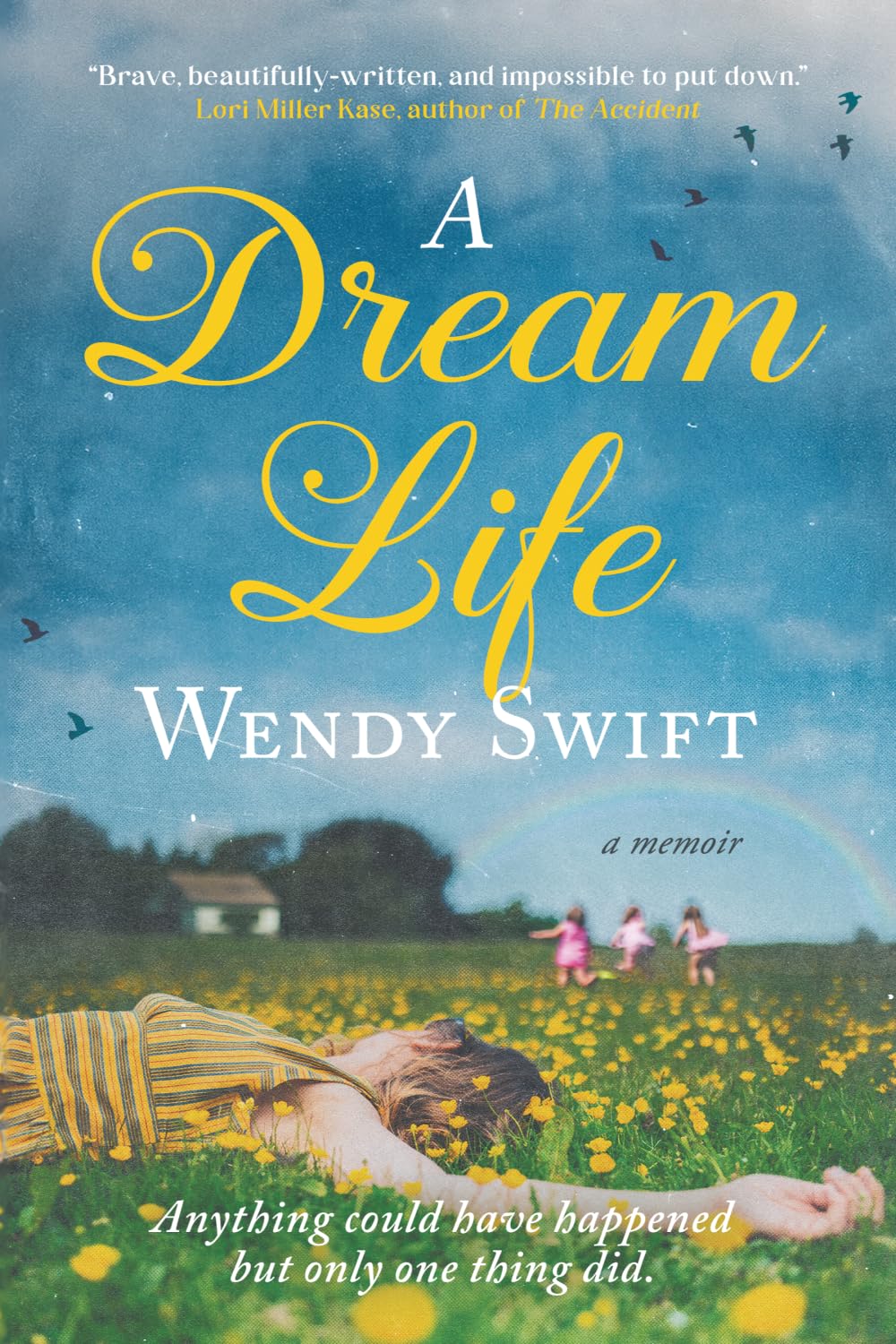
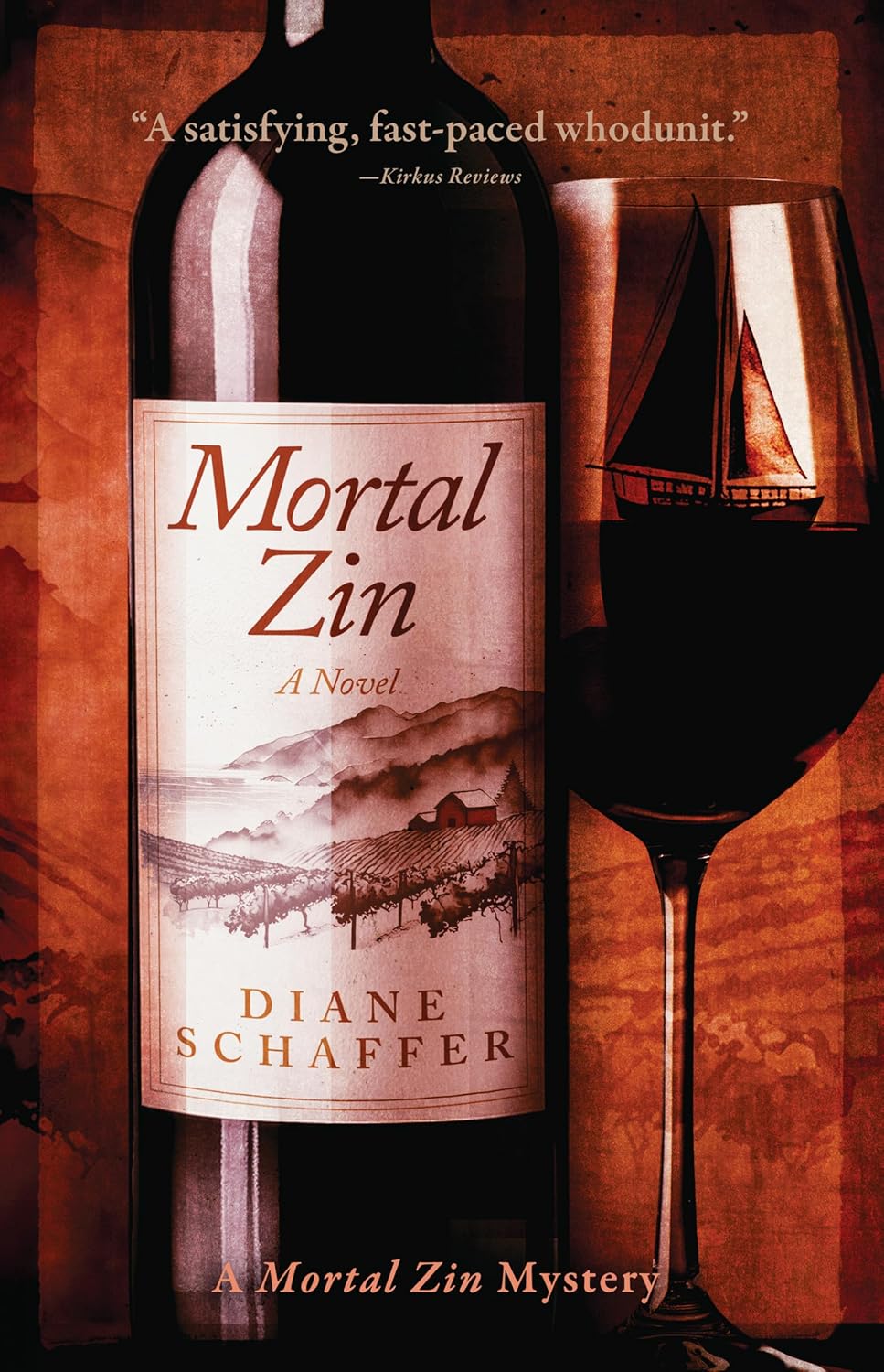
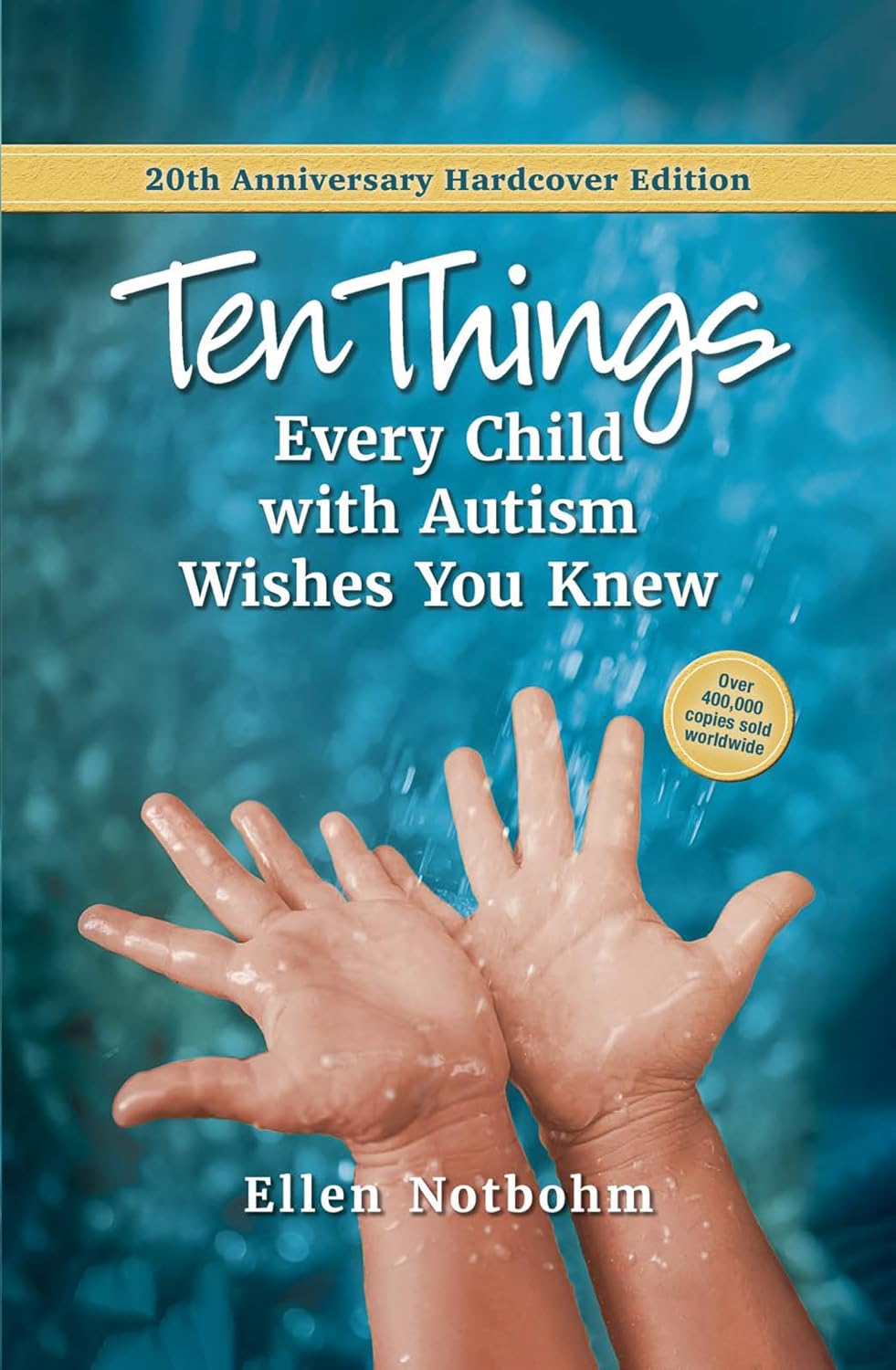
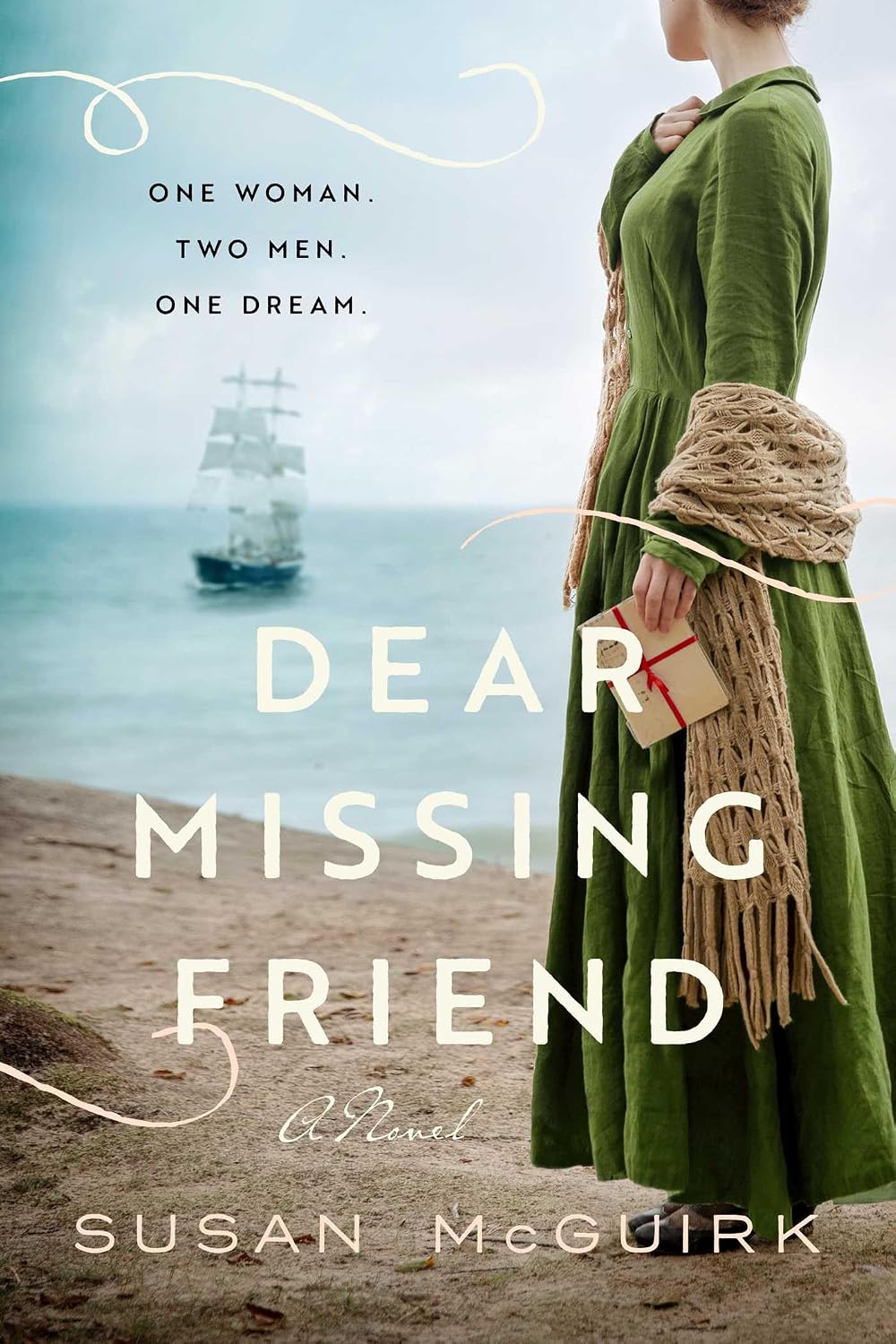


While I didn’t start at 70, I’m still writing at 76. I love what you’ve said here. Good luck with your book and with your next new thing.
Thank you, Liz. I love hearing that you’re still writing at 76. There is something wonderful about continuing to begin, whatever our age. I’m wishing you every good thing with your own writing too.