Authors Interviewing Characters: Stella Fosse
Character Interview with Vivienne
Vivienne Underwood began life as a medieval swordswoman and vampire. She is the protagonist in the 2026 novel, The Sword of Vivienne, Book One of the Blood Sisters Chronicles.
_________________________________________________________________________________
Stella: You were born in 1398.
Vivienne: So they tell me. I don’t remember being born.
Stella: What do you remember? What’s it like to look back six hundred years?
Vivienne: It’s impossible. Whole centuries get condensed into bits. I’ve talked about this with Sibyl,* and she says it’s a matter of storage. As we grow older we distill memories and group things by categories.
Stella: If you live long enough even the categories change.
Vivienne: Exactly. In my youth a weapon meant a sword or a lance. Maybe a catapult. Now that category means fighter jets and drones. Time gives me a headache.
Stella: And on top of that, you’ve shifted your focus away from weapons.
Vivienne: That happened fairly early, after my pivot from fighting for Henry VI to fighting for women. I soon realized the real fight for women would happen at law, not on the battlefield. Though I still appreciate a well-made missile.
Stella: Let’s talk about that shift away from your original calling as a warrior. How much did meeting Joan of Arc influence your choice?
Vivienne: Joan was incredible. You know I broke into the tower at Rouen to save her, the night before her execution.
Stella: And she refused.
Vivienne: Her angels told her that she was to be a martyr. That’s when I realized a sword could not solve everything. Joan is still celebrated. There’s a festival every spring in Orleans to commemorate when she broke the siege in the Hundred Years War. I go to the festival whenever I can, every decade or so.
Stella: And if you’d saved her, she would not be remembered?
Vivienne: Not the same way, no.
Stella: So after that you began to rescue women who were wrongly accused, like Marion the fifteenth century herbal healer who later became a blood banker.
Vivienne: Yes.
Stella: And in that process you realized that the people you dealt with, the jailers, the lawyers, the judges, were all men.
Vivienne: Made my job a lot harder.
Stella: What made it easier? Over the centuries.
Vivienne: That was another pivot, of sorts. From saving one woman at a time to challenging the system. It took time, and we vampires have plenty of that. It took friends working together. Our network started in York in the 1400s and is going strong. And then, of course, there’s money.
Stella: How so?
Vivienne: When you invest for centuries, the money keeps piling up. Not my forte, though I’ve done fine, but some of my friends are terrific at it.
Stella: What did all that money buy you?
Vivienne: Access.
Stella: You mean bribes?
Vivienne: Nothing that obvious. Money was our entree to gatherings where people in power met. Then we funded the fight for suffrage. Later it bought our protegees scholarships to law schools. These days we’re funding women’s political campaigns in the US. Holding our noses because why so much money in politics? But so it goes.
Stella: You mention nose-holding. Are you discouraged by how things are going lately?
Vivienne: You have to take the long view. Or maybe you don’t, but I do. Women’s progress is like a Foucault pendulum, the kind that goes back and forth but over time moves forward. In that case to mark the earth’s rotation, in our case to mark the inexorable progress toward equality. One step back, two steps forward.
Stella: So, patience and perseverance?
Vivienne: Yes. Qualities I’ve had to learn over centuries.
Stella: Speaking of centuries: Over time you’ve offered to make various people immortal. Family members. Joan, obviously. From what I can tell, you’ve mostly been turned down. Have you considered transforming leaders in the women’s movement to vampires? Like Gloria Steinem, who recently passed?
Vivienne: These days it’s tough to make a famous person immortal. Too much scrutiny. We’ve done better with women who are effective behind the scenes.
Stella: Like who? Can you give an example?
Vivienne: That would be telling, wouldn’t it? And seriously, when you write about the present, please don’t name names in your books. Not of contemporary vampires who work for women’s equality.
Stella: I wouldn’t dream of crossing you, Vivienne. Even though you no longer carry a sword.
Vivienne: Yes, well, I do carry this (takes a knife from her belt). It’s a beauty, isn’t it? A souvenir from the 1400s. I keep it polished and sharp, just in case.
Stella: Not that I write with a pen these days, but they say the pen is mightier than the sword.
Vivienne: Yes, well, I wouldn’t bet on it.
Stella: Neither would I.
___________________________________________________________________________________
*Sibyl is a medieval barber surgeon turned molecular biologist. Her book will be next in the Blood Sisters Chronicles.
Meanwhile the first two books in the Chronicles are available at all the online places and at the Stella Store.
Book One:
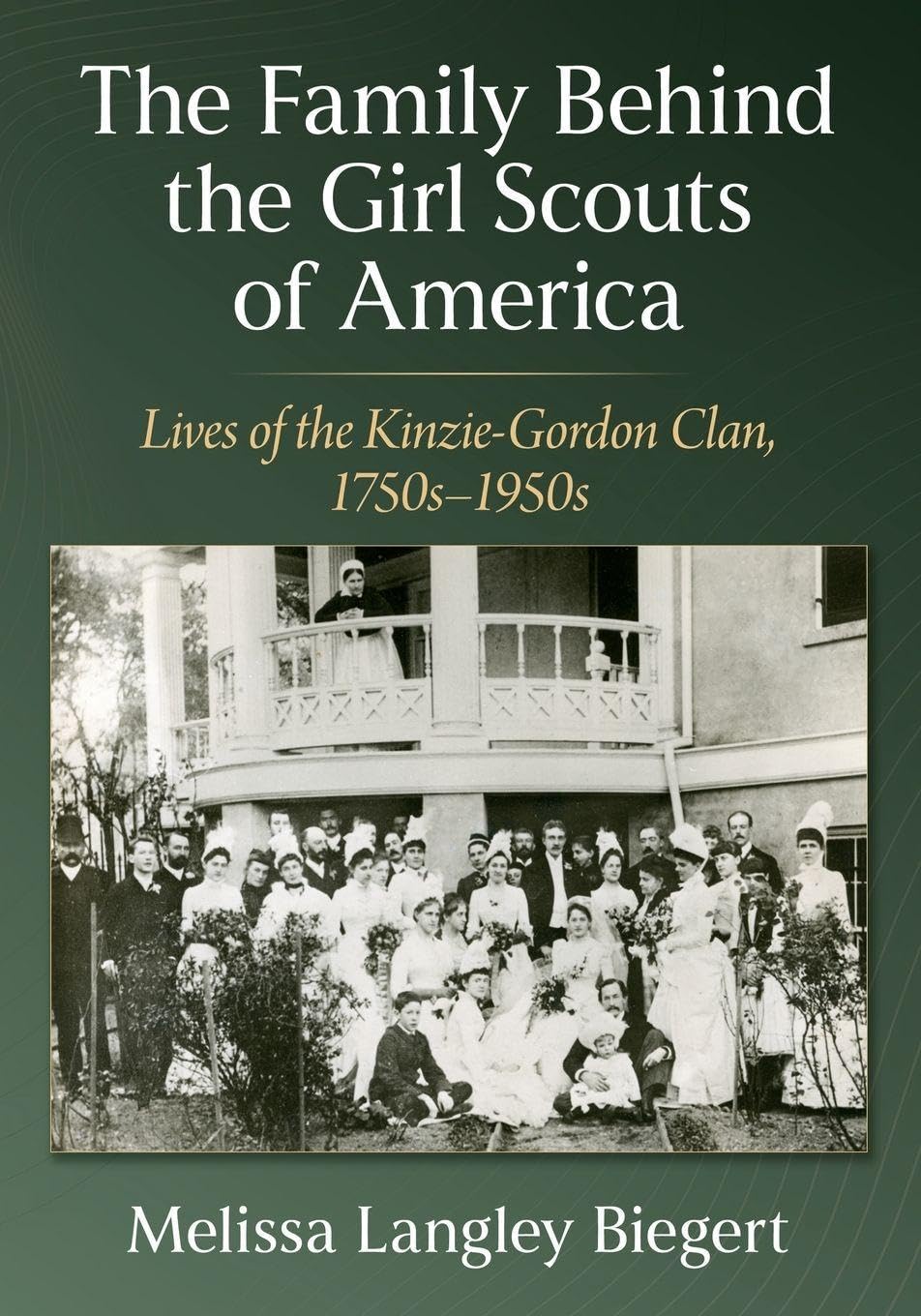
The Sword of Vivienne
Vivienne Underwood disguised herself as a man to fight for Henry V and came home from Agincourt with a sword, a disguise, and no cause worthy of either.
In war-torn France, Joan of Arc gave her one: not crown, not country, but womankind. Vivienne carries that charge, and that sword, through centuries of war, witch burnings and progress for women.
Queer historical vampire fiction about a woman who grows more powerful with age.
Book Two:
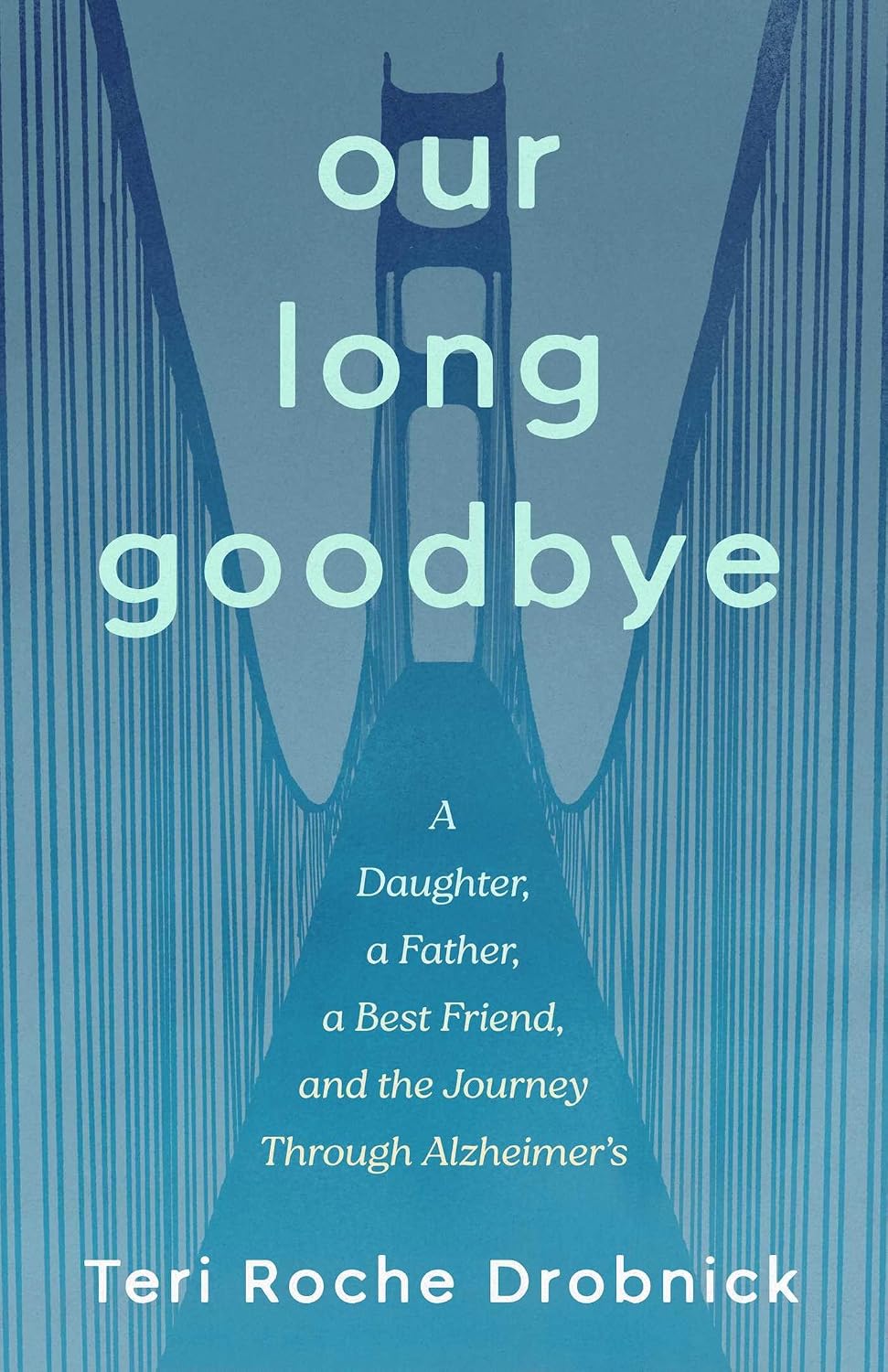
Vampires of a Certain Age
Marion Chase was a herbal healer in medieval Yorkshire, loved a woman, and was nearly burned for it. Five centuries later she runs a blood bank in Chicago and supplies the ethically minded vampires of the Midwest. Between those two lives: a sisterhood in York, a brothel, Henry VIII, battlefields across Europe, and an American civil war. Then an FDA inspector walks in wearing the face of the woman Marion loved in 1546.
Women Become More Powerful with Age.
Especially after 500.
Category: Interviews, On Writing
Subscribe
If you enjoyed this article, subscribe to receive more just like it.