But What Will People Think? On Publishing Memoir by Betsy Vereckey
By Betsy Vereckey
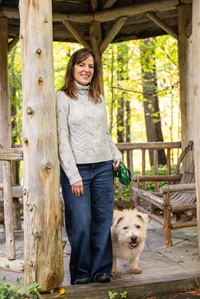
Photo by Rob Strong
I was putting the finishing touches on a last round of edits for my memoir when I got a text from my ex-husband—Could he read the chapters he appeared in? If I could summarize everything about the publishing process in three words, it would be this: Expect the unexpected.
His text actually reminded me of what had happened when we got married 15 years earlier. Everything about wedding planning had gone off without a hitch. I knew there would eventually be a hiccup, but I hadn’t expected it to involve my hair. A few hours before the ceremony, I sat down in my hair stylist’s chair, and he had a full-blown panic attack because he couldn’t get my updo right. I ended up walking down the aisle wearing a plastic hair donut to hold my hairstyle in place.
Unfortunately for me, most of the people I wrote about in my memoir weren’t dead. In fact, most of them lived nearby.
My ex-husband was the person I worried about from the very beginning. I tried to avoid thinking about his reaction during the writing process, but I reached out to him once I had landed a publisher and asked if he wanted to read the book. This choice was more for me than it was for him, a way to reduce my stress and any surprises ahead of my book’s publication. I wasn’t planning on changing anything about my memoir in the event that he didn’t like it. That said, memory isn’t always reliable, and if my ex-husband thought I got something wrong, I certainly wanted to know.
At that time, he said he didn’t want to read my memoir. I perfectly understood. I’m not sure how I would feel about being written about. In fact, I still don’t know why people don’t immediately walk out of the room when I tell them I’m a writer.
Then, as my publication date neared, and I started posting about my book on social media, he re-emerged and asked if I would email the chapters he was in. I looked at my astrological calendar, picked an auspicious date and said I would send it over the weekend, hoping for the best but expecting the worst. I knew my ex felt bad about how our marriage ended; I did, too. The last thing I wanted was to dig up old wounds.
By this point, I was more familiar with getting feedback because I had actually already done so with two more people who appeared in my memoir: my friend Susan and my boyfriend (now husband) Andrew.
Susan is the type of person who has a lot of opinions. She’s a retired lawyer and a stickler for facts, so I prepared myself for plenty of feedback. I didn’t think of what she might say as I was writing; I just tried to have fun with it. She was amazing story material. In fact, she had so many good lines that I often secretly wrote down funny things she said when she was talking. I knew I could always dial down her personality later if I wanted to.
I re-read my memoir before showing it to her and highlighted plenty of passages that she would probably have an issue with. Would she be fine if the world knew that she was a breast cancer survivor? Or that she didn’t own a vibrator? Imagine my surprise when she only came back with one edit, about the type of shoes she wore.
“That’s it?” I asked.
“That’s it,” she said. “It was so good that I forgot I was reading about myself.”
I had expected the worst and somehow ended up with a compliment.
As for Andrew, I presented him as I saw him when we first met. He was going through a divorce and was kind of an emotional basket case. Would he ask me to cut the scene where he cried on our first date? Make him appear more committed to our relationship even though he was interviewing for jobs in other cities?
He came back with just one question: Was it really necessary for me to have him saying the F-word in a specific sentence? (It wasn’t.)
I was hoping it would go the same way with my ex-husband when I sent off the chapters of my memoir that he appeared in. It was a Sunday, and I spent most of the afternoon waiting and wondering. I kept checking my email, then decided I needed to stop because I was making myself crazy. I decided to check my phone once more before I went to bed. He had texted.
I love it. It’s beautiful.
I was so shocked that I nearly dropped my phone. It never, ever occurred to me that he might actually like what I had written. I didn’t sugarcoat it. I portrayed our marriage as I saw it, both the good and the bad. It wasn’t an easy time in my life to revisit. I now have so much respect for memoirists who have written about their failed marriages. It is really, really hard to do.
It seems like this is something that comes up a lot when writing memoir—what will people think about how I’ve portrayed them? In fact, it might be the thing memoirists worry about the most. Well, I am here to tell you that there is a really good chance that the doomsday scenario you’ve invented in your head won’t come to pass.
The experience reminded me of a lesson I had already learned from my divorce. It’s far better to talk about uncomfortable subjects than ignore them and hope they’ll go away. I highly recommend sharing your memoir with your friends and family—your characters—especially if you have anxiety around how you’ve portrayed them. And who knows? Maybe your ex-husband, estranged mother, or super picky friend will actually like what you’ve written.
—
Betsy Vereckey is a journalist and essayist who began her career as a reporter with the Associated Press in Athens, Greece. She has written about astrology for the Los Angeles Times and about her crush on a hot baker for the New York Times’ Modern Love column. Moving to My Dog’s Hometown: Stories of Everything I Didn’t Know I Wanted (Rootstock Publishing, 2026) is her debut memoir. She lives in Vermont with her new husband and three Glen of Imaal terriers.
Moving to My Dog’s Hometown: Stories of Everything I Didn’t Know I Wanted
 Betsy Vereckey was thirty-seven and newly divorced when she rerouted her life from New York City to a tiny town in New Hampshire she knew virtually nothing about . . . except that it was her dog’s hometown. A lot of people switch up their lives after a divorce, but only a dog lover would drive a rental car north with just a duffel bag and a Glen of Imaal terrier named Ronan in the backseat.
While Betsy’s decision to move to Hanover was motivated by a desperate need for change-along with the fact that Mercury was no longer in retrograde and she’d been offered a “garden” apartment she could almost afford-sometimes challenging circumstances and a cosmic hunch lead you right where you’re meant to be.
From the author of the essays “How my dog helped me find love again” (Newsweek) and “This recipe is the best thing I got from my divorce” (Washington Post) comes a relatable, funny, and inspiring memoir for anyone feeling stuck in life. As Betsy discovers in writing these stories, taking a leap of faith to find your personal authenticity isn’t wrong-it’s the key to happiness.
https://www.amazon.com/Moving-My-Dogs-Hometown-Everything/dp/1578692040
Category: How To and Tips
Subscribe
If you enjoyed this article, subscribe to receive more just like it.