When is it Time to Write a Sequel? by Deb Richardson-Moore
It’s easier than writing a standalone, that’s for sure. You’ve already got your setting, many of your characters, and a certain comfort with a specific time and place.
Think Louise Penny’s Three Pines and her stalwart Armand Gamache, surrounded by a stable of colorful Canadians. Or J.K. Rowling’s Hogwarts and Harry, Hermione and Ron.
My first publisher set the parameters for my initial sequel. He’d published my memoir, and when he asked for a sequel, I said no. I’d said all I wanted to say.
Then I told him I’d always wanted to write a murder mystery. He told me his publishing house – which was in Oxford, England – would be happy to take a look at it. And oh yeah, to set it up as a series.
Having never written fiction until then, I simply did as he asked. My first mystery was about a reporter and a homeless man who forge an uneasy alliance to solve a murder in their Georgia hometown. My publisher was true to his word and released it and the two subsequent volumes in the series.
The series might have continued, I suppose, but for many reasons, I decided to switch to a publisher in the States. Unsure if the new relationship would endure, I submitted a standalone and then another.
Only with the second standalone in 2025, I encountered something I hadn’t previously: Some online reviewers and many book club members I spoke to asked for a sequel. Seems an issue I intentionally left unresolved in The Last Beach Town was too open-ended for some readers.
Well, okay. I delved back into the fictional South Carolina barrier island of Millicent. And to my delight, I loved being back there. The small seaside community was the same – the protagonist’s historic beachfront home, the diner, the police station, the seafood grocery, the hair salon, the sole upscale neighborhood. But now I could add a boutique resort and an inland pond that was home to a decades-old alligator.
The writing went faster than usual, and The Last Engagement Party now sits in my publisher’s possession, awaiting cover art and editing and proofreading and all that other stuff. Meanwhile, I’m puttering with book number three in the series.
So when should you write a sequel? I’d say when you love, love, love the world you’ve created and want to spend more time there. And when you are happy with your publisher – even if it’s yourself. In general, a new publisher won’t pick up a series that started at another house. The exception is if you get your rights back and your new publisher re-releases them, as mine did for my original Branigan Powers series.
Someday when I’m finished with the seaside community of Millicent, I may return to Branigan and her homeless friend Malachi in Georgia – and see what they are up to. After all, they’ve never left my head.
—
Deb Richardson-Moore is a retired journalist and pastor, and the mother of three young adults. She lives in South Carolina with her husband and rescue dog. Her latest novel, The Last Engagement Party, is a sequel to The Last Beach Town and will be out in 2027.
THE LAST BEACH TOWN
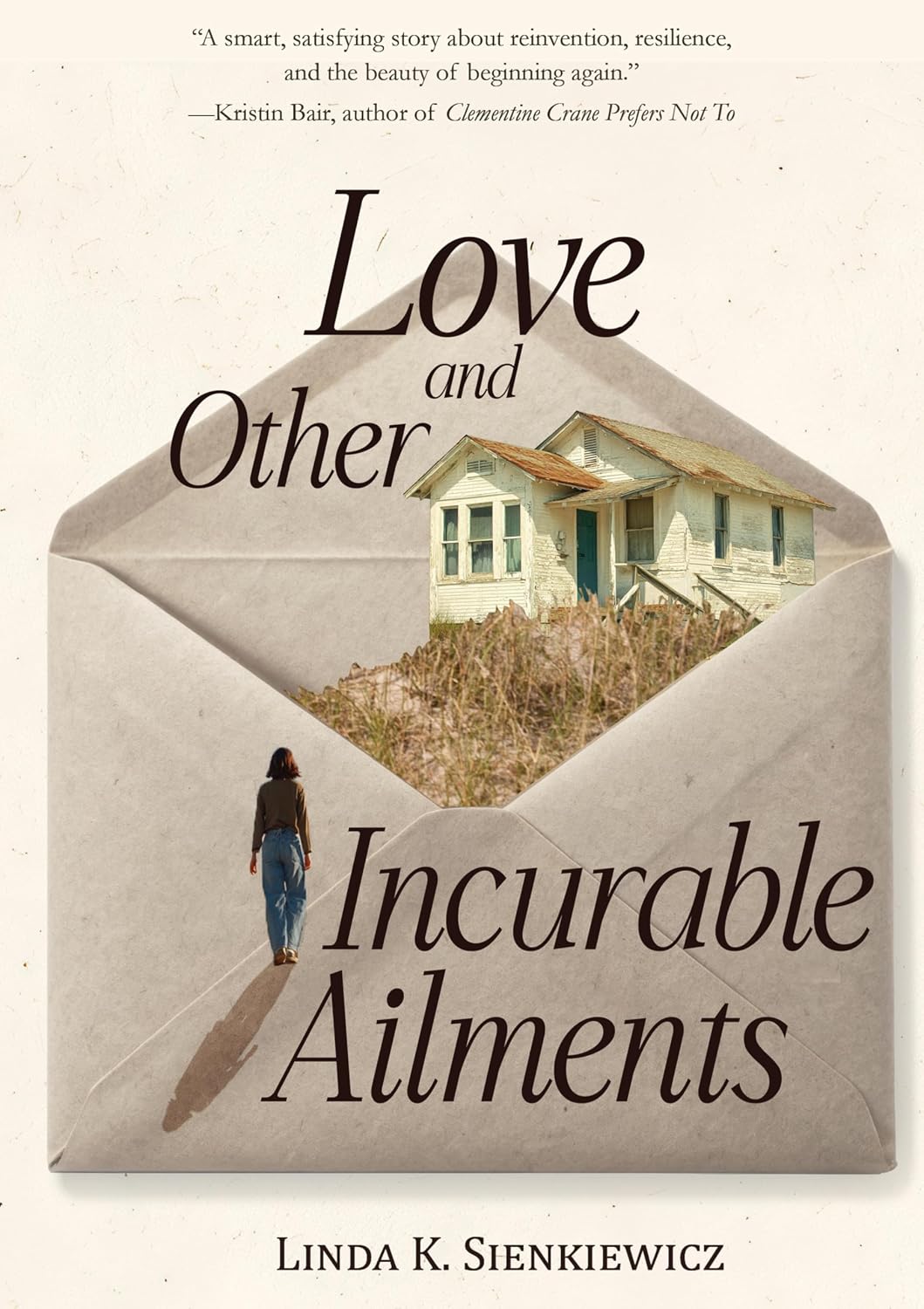
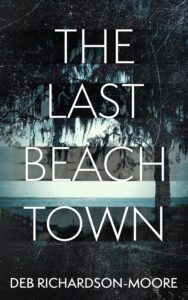 Sloane Cheney has no intention of ever returning to the South Carolina island town where she grew up. She enjoys her life in the big city and teaching at the college there. The thought of revisiting the place where her mother deserted her family is too painful.
But when Aunt Millicent, town matriarch and owner of the family’s beachfront property, is murdered, Sloane must go back to sign off on the sale of the grand family home to developers. She soon finds that old friendships have shifted, as townspeople disagree over the development that would reshape their sleepy village. Sloane is directly in the line of fire, under suspicion by the police chief because of her inheritance and by her former neighbors who question her long absence.
With family members and old friends swirling treacherously around her, Sloane doesn’t know who to trust, especially after a nearly fatal accident in the beach house. She digs into her family’s history, uncovering new information about her mother’s disappearance. What she discovers raises questions: Was her aunt’s murder a case of simple greed? Or was it related to her mother’s long-ago vanishing?
BUY HERE
Category: On Writing
Subscribe
If you enjoyed this article, subscribe to receive more just like it.