My Road Curved at Age 71 by Marianne Lonsdale
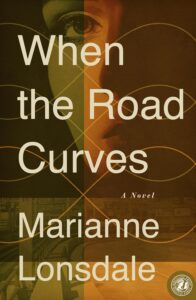 My debut novel, When The Road Curves, was published in June 2026, the same month as my 71st birthday. I’d somewhat given up on having a book published, so having a launch party felt dreamy and on track with being as big a day for me as my wedding.
When The Road Curves follows thirty-six-year-old Nora as she navigates love, friendship and loss in the Bay Area in 1991. Returning home to Oakland after spending a decade working and playing hard in New York City, Nora is at a crossroads—evaluating career choices and wondering if she wants marriage and children. Then she meets Paul, a singer-songwriter who is gorgeous, attentive and great in bed—but struggles with anger issues. The road curves once more when her best friend Linda is diagnosed with AIDS, forcing Nora to make life-altering decisions. It’s also a bit of a love letter to my hometown of Oakland.
The novel took me about five years. I did not start writing until my mid-forties. After I became a mother, I felt a push to find a creative outlet and began taking writing classes. Developing a novel didn’t come easy. I used a book coach who I would submit a few chapters to and get feedback—the feedback was almost always that I needed to get more on the page—more of everything. I learned to focus on keeping tension in the plot while continuing to move the story forward, developing my characters’ development, and adding sensory details. I learned a lot and very much enjoyed the process.
Once I had a solid novel, I queried about 45 agents. I heard back from less than half. I know that it’s common to get no response from agents, but I still felt disappointed. The few I did hear from passed on the novel. I had one ask for a full manuscript, but she said the story felt too plotted. I still believed I had a good book. I knew that many good books didn’t get published. It’s tough for it to all come together. But I moved on. I was working full-time, had a child at home and had started a second novel. Submitting When The Road Curves stopped being a priority. I couldn’t do it all.
Then in 2025, almost ten years later, I decided to submit my first book to small presses that didn’t require an agent. Publishing is in flux and I wanted to reenter the mix. I submitted to a few small presses and Sibylline Press, a press focused on women authors over age 50, that had just sprung up in 2022. Julia Park Tracy, the acquisitions editor, found much to love in the book, but felt there were two competing story lines and one needed to be pared back. If I made the changes she outlined in an email to me, they would publish the book. I was so struck by her full comments—they were spot-on. I worked for several weeks on the changes and cut the book from about 100,000 words to about 70,000 words. I felt the changes made for a much stronger book. Sibylline offered me a contract and they have been great to work with. I really feel I landed in the right place.
One thing that’s been both funny and a bit embarrassing is the reaction of family and friends to the sex scenes in the book. People seem surprised. I’ve never been one to talk about my sex life, so maybe people think I don’t know much, or that at age 71, I wouldn’t be writing about sex. Nora and Linda meet in their twenties, in the early 1980s, and enjoy being sexually active. They see it as an act of feminism. They own their sexuality while they still feel conflicted about society’s judgement. In addition, lust is such a driver in Nora’s relationship with Paul that it somewhat blinds her to his faults.
I wanted these two characters to enjoy sex with a minimum of shame, but I did not want explicit sex scenes. I did not use words for types of sex acts or name genitals. Nora might reach into Paul’s pants, but that’s as far as the language went. There is no direct reference to intercourse or oral sex. I was aiming for heat through feelings and imagery. I wanted the reader’s imagination to go further than my words. The scenes were challenging and fun to write, and I think the passion comes through.
I’m well into my second novel and hope to have it done in the next year. My energy and confidence for writing are so boosted by having When The Road Curves published. I’m excited to finish this second novel, and move to publication. I know it’s a cliché—but I’m not getting any younger! And I have learned much about marketing and promoting that I can bring to a second book. Finding a creative passion in my second half of life, during which I became an empty nester and then retired, has been such a rewarding and unanticipated gift.
—
WHEN THE ROAD CURVES
The family we create
When The Road Curves follows thirty-six-year-old Nora as she navigates love, friendship, and loss in the Bay Area in the 1990s. Returning home to Oakland after spending a decade working and playing hard in New York City, Nora is at a crossroads—evaluating career choices and wondering if she wants marriage and children.
Then she meets Paul—a singer-songwriter who is gorgeous, attentive and great in bed—but struggles with anger issues. The road curves once more when her best friend Linda is diagnosed with AIDS forcing Nora to make life-altering decisions.
BUY HERE
—
When the Road Curves is Marianne Lonsdale’s debut novel. Her personal essays and poetry have been published in print anthologies and online journals including The New York Times, Literary Mama and Pulse. She’s an alumna of the Community of Writers and The Napa Valley Writers Conference and is a frequent reader at San Francisco’s Litquake. She’s committed to youth literacy efforts, volunteering with 826 Valencia and the Oakland Literacy Coalition. She lives in Oakland.
Category: On Writing
Subscribe
If you enjoyed this article, subscribe to receive more just like it.