YOU SERIOUSLY CAN’T MAKE THIS STUFF UP By Christina Hamlett
Nothing brings a reader’s suspension of disbelief to a screeching halt quite like a Victorian lady checking texts on her smartphone.
Writers are an imaginative lot. We can craft murderers who leave cryptic clues, detectives who solve impossible crimes, Scottish islands where everyone harbors dark secrets, and romantic heroes who look like they’ve just stepped off the glossy cover of GQ. We can even convince audiences that two people falling in love over a spilled latte is perfectly reasonable behavior.
What we can’t do is expect readers to overlook factual blunders simply because we’ve given our characters sparkling dialogue.
Research matters. Whether you’re penning a novel, a play, or a movie, getting the facts right establishes credibility, creates a believable world, and keeps audiences invested in your plot. One sloppy misstep, however, and you risk having your carefully constructed fictional universe collapse faster than a cardboard castle in a rainstorm.
The truly terrifying part? It only takes one reader who knows the subject to spot a mistake and begin questioning everything else you’ve written.
Google Is Your Friend. Blind Trust Isn’t
Research has never been easier. Within seconds, you can discover the population of a remote Italian village, the operating hours of a 1940s railway station, or whether a police detective in your chosen jurisdiction can legally do what you’ve just made yours do. The trouble is that easy access to intel isn’t the same as access to accurate intel.
The internet is a ginormous repository in which some books are scholarly masterpieces, others are outdated pamphlets, and a few appear to have been written by someone’s uncle after three glasses of gin. Yes, Wikipedia is a useful starting point for introducing you to unfamiliar subjects, providing an overview, and pointing you toward references worth investigating. But treating it as gospel truth is a bit like asking a stranger at a bus stop to perform your root canal.
Use it to begin your research, not to conclude it. Specifically:
- Follow the footnotes. Look for the original books, academic papers, official records, or other sources cited in the article.
- Check the date. Information about laws, technology, medical procedures, and current practices may have changed since originally written.
- Compare independent sources. If three credible sources agree, you have more reason for confidence than if one anonymous website makes an impressive-sounding claim.
- Distinguish fact from interpretation. A historical event may be documented but its causes, significance, or participants’ motivations may be disputed.
Find Someone Who Actually Knows What They’re Talking About
You can spend hours researching a subject and still miss the one crucial detail which an experienced professional could recognize immediately. Is your heroine a surgeon, your villain a corporate accountant or your protagonist the owner of a fishing boat? You could spend months studying online or you could ask someone engaged in such employment. Experts can offer invaluable insight into the practical realities which reference books often overlook. They know the routines, frustrations, jargon, shortcuts, and occupational peculiarities which make fictional characters feel authentic.
Where do you find them?
- Professional associations: Medical, legal, engineering, theatrical, and other professional organizations may offer educational resources or help you identify knowledgeable members.
- Universities and libraries: Academics, archivists, librarians, and local historians can point you toward reliable material.
- Museums and historical societies: Particularly useful for period fiction, regional customs, architecture, clothing, and everyday life in another era.
- Local organizations: Tourism offices, community groups, heritage centers, and local businesses can help you understand a setting beyond its postcard views.
- Online professional communities: Industry forums and specialist groups can be useful, provided you verify advice and respect members’ time.
- Direct outreach: A polite email explaining your project and asking a few focused questions can open surprising doors. Offer to acknowledge the person if appropriate and consider paying for a formal consultation when the work warrants it.
Just one important caveat: experts are only human. Two attorneys may disagree about procedure; two historians may interpret an event differently. Ask about their experience, clarify whether they’re speaking from personal knowledge or general practice, and seek another opinion when the detail is consequential. You really don’t need to become an expert in everything your characters do; you just need to know enough to avoid making an expert in the audience cringe.
Research the Details. Then Resist the Urge to Show Off
Another danger lurking at the opposite end of the research spectrum is becoming so enamored of your newfound knowledge you actually forget to tell the story. You set out to write a murder mystery in a coastal village. Three weeks later, you know the precise construction of a traditional fishing boat, the migration patterns of twenty seabird species, the history of local shipbuilding, and the average rainfall for every month since 1897.
Spiffy. Now get back to the murder.
Research should support a story, not hijack it. Ask yourself:
- Does this detail advance the plot? Does it reveal a clue, establish a conflict, or help explain a character’s decision?
- Does it deepen characterization? A surgeon’s habitual handwashing may reveal more than three paragraphs about hospital sanitation.
- Does it establish atmosphere? A few carefully chosen details can make a remote island feel windswept and isolated without cataloguing every rock.
- Does the reader need to know this now? Some information is better revealed later when it becomes relevant.
- Could the scene work without it? If removing the paragraph changes nothing, it may be decorative rather than necessary.
The goal isn’t to demonstrate how much research you’ve done. It’s to make the audience feel as though they belong in the world you’ve created.
Know More Than You Reveal
Think of research as the foundation of a house. Nobody comes to admire the concrete footings but, without them, the whole structure becomes an expensive pile of rubble. The more thoroughly you understand your setting, characters’ occupations, historical period, and relevant events, the more confidently you can write. You’ll know which details matter, which can be simplified, and which can be safely omitted. Keep in mind that research isn’t a punishment imposed on creative people by the universe. It’s one of the tools allowing imagination to flourish without losing credibility.
Write the story that excites you. Invent the characters who refuse to leave you alone. Send your heroine to a remote island, your sleuth into a dangerous alley, or your romantic lead into the arms of someone who will undoubtedly complicate her life. Just make sure the island exists, the sleuth knows what he’s doing, and the romantic lead isn’t relying technology invented fifty years after her death.
Because somewhere out there is a reader who knows the difference.
*****
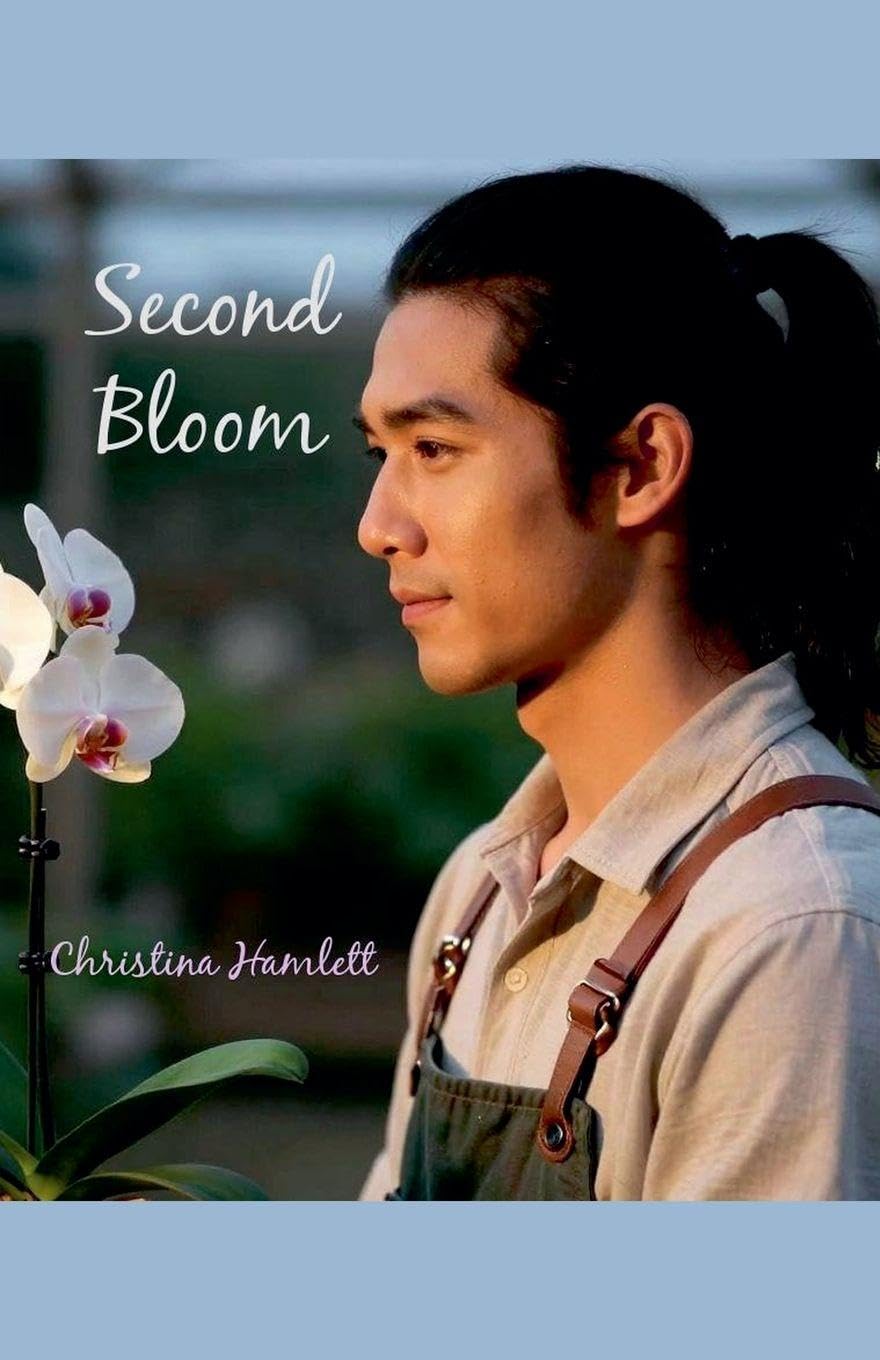
This particular article is served up as a thank-you to my brilliant proofreader and editor, Suzanne McFadden, who was instrumental in ensuring the landscape design content of my latest release, Second Bloom, was spot-on in accuracy. I could not have done it without her!
—
Former actress and theatre director Christina Hamlett is the author of 55 books, 284 stage plays and squillions of articles and blogs. Along with being a gourmet chef and photographer, she teaches distance learning classes in screenwriting, playwriting and cozy mysteries through WOW! Women on Writing. Learn more at www.authorhamlett.com.
SECOND BLOOM
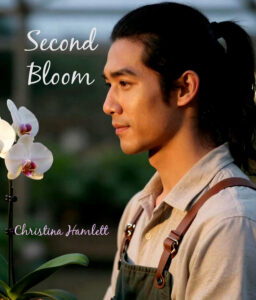 Who knew that a small tea room, a garden project in progress, and one charmingly opinionated coastal community could brew such a tempest?
Newly widowed Lucy Fischer is expecting a quieter chapter as she prepares to open her cottage door to customers along California’s beautiful Monterey Peninsula. Instead, her new venture attracts a parade of friends, neighbors, busybodies, and well-meaning advisers-each with a theory about how Lucy should live, whom she should see, and, most importantly, what a woman her age has any business doing with romance.
Amidst local politics, garden gossip, and the relentless scrutiny of people who apparently have far too much time to pause for sips and scones, Lucy discovers that starting over is rarely tidy and never happens entirely on one’s own terms. Life can be at once poignant and joyful, daunting and seductive, and beneath all the unsolicited advice and whispered opinions, something unexpected is taking root. Could it be that Fate has a better plan than she might have imagined?
Sometimes true love is closer than we think…perhaps just beyond our own back door.
BUY HERE
Category: How To and Tips
Subscribe
If you enjoyed this article, subscribe to receive more just like it.